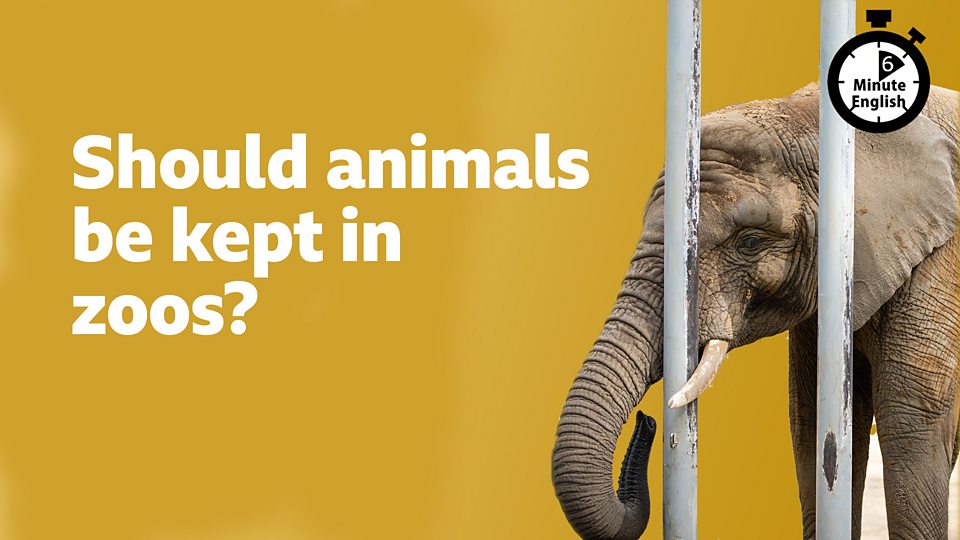
How do you feel about zoos? Some think they are important for education and scientific research; others think they are cruel. Neil and Georgie discuss this and teach you some new vocabulary.
동물원에 대해 어떻게 생각하세요? 몇몇 사람들은 [그것들이 교육과 과학 연구에 중요하다] (라고) 생각합니다. 다른 사람들은 [그것들이 고통스럽다] 라고 생각합니다. 닐과 죠지는 이것을 논의합니다. 그리고 당신에게 몇몇의 새로운 어휘를 가르칩니다.
이것은 이번 주제의 주요 내용입니다. 영어 단어를 공부할 때 스토리와 함께 공부하면 크게 도움이 됩니다. 다음은 이번 주에 수록된 주요 단어 목록들입니다.
|
abnormal adj. ☆[5946] ← from [씨앗말] abnormal(ab+n) 《 norm(규칙)
[영한] 비정상적인
[유의어] irregular
[반의어] normal(비정상적이다)
<명사> 정신 이상자.
[구성단어] ab + normal
[어근] ⑴ ab; 분리, off ⑵ norm; 규칙, rule, pattern ⑶ al; …한 (형용사어미)
[어원] 《라틴어 abnormis》 ab+norma;
[최초 의미] not conformed or conforming to rule, deviating from a type or standard, contrary to system or law, irregular, unnatural
[파생] abnormal, abnormality, abnormally, abnormalness, abnormity
[본문] [36]Many studies and research have shown that many animals in zoos and aquariums display abnormal behaviours like head-bobbing, pacing, stereotypical behaviours, signs of mental distress.
actively adv. ★★★[2683] ← from [씨앗말] active 《 act(이끌다)
[영한] 활발히, 활동적으로, 적극적으로, [문법] 능동으로
[어근] ⑴ act; 행위 ⑵ ive; 형용사 어미 ⑶ ly; 부사어미
[어원] 《라틴어 agere》 이끌다, 가다, 움직이게 하다, 몰고 가다, 앞으로 몰다, (뭔가) 하다, 수행하다, 행동하게 하다, 움직이게 두다; 무대에서 공연하다, 배역을 맡다, 법률로 소송 이유를 밝히다
[파생] act, activate, active, actively, activeness, activity
[본문] [60]The idiom, it takes two to tango, refers to an activity which needs two people to willingly and actively take part for it to succeed.
activist noun △[6232] ← from [씨앗말] active 《 act(이끌다)
[영한] (정치/사회 운동) 운동가, 활동가
[굴절형] 복수형; activists
[구성단어] active + ist
[어근] ⑴ act; 행위 ⑵ iv(ive); 형용사 어미 ⑶ ist; 명사 어미
[어원] 《라틴어 agere》 이끌다, 가다, 움직이게 하다, 몰고 가다, 앞으로 몰다, (뭔가) 하다, 수행하다, 행동하게 하다, 움직이게 두다; 무대에서 공연하다, 배역을 맡다, 법률로 소송 이유를 밝히다
[파생] activistic, activist
[본문] [34]Now, let's turn to some of the arguments against zoos with Nikita Dhawan, a 19-year-old animal-rights activist from India, who spoke to BBC World Service programme, What in the World:
aquarium noun △[8197] ← from [씨앗말] aqua
[영한] ① 수족관 ② 수족관 (건물) ③ 아쿠아리움
[구성단어] aqua + arium
[어근] ⑴ aqu(aqua); 물, water ⑵ arium; 장소
[어원] 《라틴어 aquarius》 [from aqua] pertaining to water, of water; water carrier
[본문] [36]Many studies and research have shown that many animals in zoos and aquariums display abnormal behaviours like head-bobbing, pacing, stereotypical behaviours, signs of mental distress.
arctic noun ☆[4688] ← from [씨앗말] arctic(곰)
[영한] ① 북극 (지방), 북극해 ② 방한 방수용 오버슈즈
<형용사> ① 북극의 ② 극도로 추운, 극한의
[어근] ⑴ arct; 북극, 곰, North Pole ⑵ ic; 형용사 어미
[어원] 《그리스어 arktos》 bear; Ursa Major; the region of the north
[파생] arctically, arctic
[본문] [42]And imagine how a polar bear, evolved for life in the frozen arctic, would feel, trapped in a zoo in a much warmer country.
breed verb ★★★[3069] ← from [씨앗말] breed
[영한] ① (동물이) 새끼를 낳다 ② (동물식물을 번식시키기 위해) 사육하다[재배하다] ③ …을 야기하다[불러오다] ④ (자라나는) ~의 마음속에 ~을 심어주다
[굴절형] bred, bred, breeding, breeds
<명사> ① (특히 개고양이가축의) 품종 ② (사람의) 유형
[어근] breed(brood); 새끼, 태아, brood
[어원] 《고대 영어 bredan》 (젊게) 태어나게 하다, 아이[새끼]를 낳다, (자손을) 생산하다, (자손을) 아끼다
[최초 의미] bring (young) to birth, procreate,
[본문] [30]A second argument is that zoos protect endangered species from extinction through breeding.
cage noun ★★[3494] ← from [씨앗말] cage
[영한] (쇠창살이나 철사로 만든 짐승의) 우리, 새장
[굴절형] 복수형; cages
<동사> (up) 우리[새장]에 가두다
[어근] cage; cage
[어원] 《라틴어 cavea》 마구간, 구부러진 곳, 동물용 굴, 새장, 인클로저, 닭장; 속이 빈 곳, 구멍
[최초 의미] box-like receptacle or enclosure, with open spaces, made of wires, reeds, etc.,
[파생] cageful, cagelike, encage
[본문] [39]Examples of this include animals pacing their cages in circles and rocking, bar-biting, and even self-harm.
captive adj. ☆[5499] ← from [씨앗말] capt(잡다)
[영한] ① 사로잡힌, 억류된 ② 달리 어쩔 도리가 없는, 그 자리를 뜰 수가 없는
[반의어] free
<명사> 포로
[어근] ⑴ capt; 쥐다 ⑵ ive; …의 경향, …의 성질
[어원] 《라틴어 capere》 가져가다, 잡다, 제어하다, 받다, 포함하다
[최초 의미] made prisoner, enslaved
[본문] [40]And they're so common in captive animals, there's a name for it: zoochosis.
confine verb ★★[4446] ← from [씨앗말] confine(from confinia) 《 fin(경계)
[영한] ① (활동/주제/지역 등을) 국한시키다 ② (사람/동물 등을 좁은 장소나 폐쇄된 곳에) 넣다[가두다] ③ (질병 등으로 몸이) 침대, 휠체어 등에 얽매이다
[굴절형] confined, confined, confining, confines
[유의어] restrict, localize(국한시키다)
<명사> ① 경계, 국경(boundary, border), 변경(邊境) ② 한도 ③ (詩) 유폐
[어근] ⑴ con(com); 함께, with ⑵ fine(fin); 끝내다, 경계, end
[어원] 《라틴어 confinis》 from confinia; con+finiis; bordering on, having a common boundary
[최초 의미] to border on, have a common boundary
[파생] confinable, confineable, confineless, confinement, confiner, confine
[본문] [62]Zoochosis is a term to describe the repeated, purposeless behaviour performed by captive animals in response to the stress of being confined, including pacing, head-bobbing and swaying.
conservation noun ★★[4155] ← from [씨앗말] conservation 《 serv(지켜보다)
[영한] ① (자연 환경) 보호 ② (유적 등의) 보존 ③ (자원 등을 보호하기 위한) 관리
[굴절형] 셀 수 없는 명사
[유의어] conservancy
[구성단어] conserve + ation
[어근] ⑴ con(com); 함께, with, together ⑵ serv(servar); 보존, keep ⑶ ation(ion); 명사 어미
[파생] conservable, conservation, conservational, conservationist, conservative, conservatively, conservativeness, conserve
[본문] [25]I remember myself going to see lowland gorillas at Zoo Atlanta every single year, and the point of this was to introduce us to conservation.
controversial adj. ★★★[2453] ← from [씨앗말] controvert 《 vert(돌다[회전하다])
[영한] ① 논란이 많은 ② 논쟁의, 논의의 여지가 있는, 쟁점(爭點)이 되는, 물의를 일으키는
[반의어] non-controversial(논란이 많다), uncontroversial(논란이 많다)
[어근] ⑴ contro(contra); 뒤, against ⑵ vers(verse); 돌다, turn ⑶ ial(al); 명/형용사 어미
[어원] 《라틴어 controversus》 [contra+versus] turned in an opposite direction, disputed, turned against
[최초 의미] subject to controversy;
[파생] controversial, controversialism, controversialist, controversially, controvert, controversy
[본문] [5]In this programme we're discussing a controversial topic that often produces strong feelings: should animals be kept in zoos?
cruel adj. ★★★[2800] ← from [씨앗말] cruel 《 crud(날 것의)
[영한] ① 잔혹한, 잔인한 ② 고통스러운, 괴로운
[굴절형] 비교; cruel < crueller < cruellest
[유의어] callous, heartless(비정하다)
[반의어] kind
[어근] ⑴ cru(crud); 날 것, crude, raw ⑵ el(al); 형용사 어미
[어원] 《라틴어 crudelis》 [from or related to crudus] rude, unfeeling; cruel, hard-hearted
[최초 의미] stern
[파생] cruelly, cruelness, cruelty, cruel
[본문] [8]I think there are good scientific reasons for having animals in zoos, but also, it seems to me a little bit sad and cruel for wild animals to be locked up.
damaging adj. ☆[4852] ← from [씨앗말] damage 《 damn(손실)
[영한] 손상[피해/훼손/악영향]을 주는, 해로운
[유의어] detrimental
[구성단어] damage + ing
[어근] ⑴ dam(damn); 비난, inflict ⑵ ag(age); 행위 ⑶ ing; 형용사 어미
[어원] 《라틴어 damnum》 손실, 상처, 손상
[파생] damageability, damageable, damager, damaging, damagingly, damage
[본문] [43]Some zoologists have compared zoochosis to human traumas like post-traumatic stress disorder but say it's even more damaging.
detrimental adj. △[6535] ← from [씨앗말] detriment
[영한] ① 해로운 ② 유해물(有害物), 손해의 원인.
[유의어] damaging
[반의어] beneficial
<명사> 해로운 사람[것], [속어] 달갑지 않은 구혼자
[구성단어] detriment + al
[어근] ⑴ de; off, from ⑵ tri(trit); 문지르다, 입다, rub ⑶ ment; 명사 어미 ⑷ al; 형용사 어미
[어원] 《라틴어 deterere》 [de-+terere] to rub off, wear away, weaken
[파생] detriment, detrimentally, detrimental
[본문] [35]I don't think zoos should exist for several reasons, the first one being zoos' detrimental impact on both the physical and psychological health of animals.
disorder noun ★★★★[2074] ← from [씨앗말] disorder 《 order(줄[열列])
[영한] ① 엉망, 어수선함 ② (많은 사람들에 의한) 난동[무질서] ③ (신체 기능의) 장애[이상]
[굴절형] 복수형; disorders
[반의어] order, order(정돈)
<동사> ① (질서 등을) 어지럽히다, 혼란시키다, (심신을) 탈나게 하다, 병들게 하다 ② 혼란에 빠지다, 장애[이상]를 일으키다
[구성단어] dis + order
[어근] ⑴ dis; 하지 않기, 不, apart ⑵ order; 질서
[어원] 《라틴어 ordo》 줄[열列], 순위, 계열, 배열; (원래) 베틀에서 실의 열[列]
[파생] disorderly, disorder
[본문] [43]Some zoologists have compared zoochosis to human traumas like post-traumatic stress disorder but say it's even more damaging.
display verb ★★★★[1876] ← from [씨앗말] display 《 plic(접다)
[영한] ① 전시[진열]하다, 내보이다 ② (특히 자질느낌의 흔적을) 드러내다[보이다] ③ (컴퓨터 등이) (정보를) 보여주다[디스플레이하다] ④ (새동물의 수컷이) 구애 동작을 하다
[굴절형] displayed, displayed, displaying, displays
[유의어] exhibit(전시하다), put up, reveal, post, demonstrate
<명사> ① 전시, 진열 ② (사람들을 즐겁게 하기 위해 기교 등을 보여주는 것) ③ (특정한 자질느낌능력의) 표현[과시]
[어근] ⑴ dis; apart, not ⑵ play(plic); 접은, fold
[최초 의미] unfold, spread out, unfurl
[파생] displayer, display
[본문] [36]Many studies and research have shown that many animals in zoos and aquariums display abnormal behaviours like head-bobbing, pacing, stereotypical behaviours, signs of mental distress.
distress noun ★★[3469] ← from [씨앗말] distress 《 stress(한데 모으다)
[영한] ① (정신적) 고통, 괴로움 ② 고충, 곤경 ③ 조난 (위험)
[굴절형] 셀 수 없는 명사
[유의어] danger(위난), hardship(고통), misery
<동사> 괴롭히다, 고통스럽게 하다 <형용사> ① 출혈 판매의, 투매품의 ② 빈민 구제의
[어근] ⑴ di(dis); 아님, 不 ⑵ stress(strain); 조이다
[어원] 《라틴어 distringere》 떨어져 가다, 방해하다; 강요하다, 강압하다
[최초 의미] circumstance that causes anxiety or hardship
[파생] distressful, distressfully, distressfulness, distressing, distressingly, heath, distress
[본문] [36]Many studies and research have shown that many animals in zoos and aquariums display abnormal behaviours like head-bobbing, pacing, stereotypical behaviours, signs of mental distress.
educate verb ★★★★[2207] ← from [씨앗말] educate 《 Duc(이끌다)
[영한] ① 교육하다 ② 가르치다
[굴절형] educated, educated, educating, educates
[어근] ⑴ e(ex); out, 접두어 ⑵ duc; lead ⑶ ate; …의 특질을 가진; 주다
[어원] 《라틴어 dux》 [from ducere("to lead")] (genitive ducis) leader, commander; governor of a province
[최초 의미] bring up (children), to train
[파생] educate, education, educational
[본문] [26]One argument for keeping animals in zoos is to educate people about the importance of conservation: the protection of plants, animals and the natural world from human damage.
elephant noun ★★★★[2234] ← from [씨앗말] elephant
[영한] 코끼리
[굴절형] 복수형; elephants elephant
[어근] elephant; 코끼리, elephant
[어원] 《그리스어 elephas》 〈genitive elephantos〉 elephant; ivory
[최초 의미] elephant
[파생] elephantoid, elephant
[본문] [16]a) elephants b) lions c) zebras
enclosure noun △[10000+] ← from [씨앗말] enclose 《 close
[영한] ① 울타리[담]를 친 장소 ② 울타리[담]를 두름 ③ (편지에) 동봉된 것
[구성단어] enclose + ure
[어근] ⑴ en; 안에 두다, in, 하게하다 ⑵ clos(clude); 닫다, shut, close ⑶ ure; 명사 어미
[어원] 《라틴어 claudere》 닫다, 문을 닫다, 봉쇄하다, 접근하지 못하게 하다, 끝내다, 가두다, 에워싸다, 국한시키다
[최초 의미] action of enclosing,
[파생] enclosable, enclose, encloser, enclosure, inclosable, incloser
[본문] [41]Even zoos with large enclosures cannot fully mimic, or copy, the natural habitats and open spaces these animals would enjoy in the wild.
endangered adj. △[8630] ← from [씨앗말] danger(power) 《 domin(집)
[영한] 멸종 위기에 처한
[구성단어] endanger + ed
[어근] ⑴ en; ~하기하다 ⑵ danger(domin); 가(家), house, 가장(家長) ⑶ ed; 과거분사어미
[어원] 《프랑스말 dangier》 [from Vulgar Latin *dominarium("power of a lord")] power, power to harm, mastery, authority, control
[본문] [9]For some, zoos are a good way to teach people about nature and save endangered species from extinction.
episode noun ★★★★[1892] ← from [씨앗말] episode(가는 것[가기]) 《 hode(가는 것[가기])
[영한] ① (사람의 인생/소설 등에서 중요하거나 재미있는) 사건[에피소드] ② (라디오/텔레비전 연속 프로의) 1회 방송분
[굴절형] 복수형; episodes
[유의어] incident
[어근] ⑴ epi; 주위, 위 ⑵ s(eis); 안으로, into ⑶ ode(od); 길(way)
[어원] 《그리스어 hodos》 가는 것[가기], 다니기[놀러가기], 여행, 길, 오솔길, 도로
[최초 의미] commentary between two choric songs in a Greek tragedy
[본문] [64]Once again, our six minutes are up, but don't forget we have a worksheet and a quiz that you can use to practise the vocabulary from this episode.
estimated adj.[10000+] ← from [씨앗말] estimate(살피다[뜯어보다]) 《 estim(평가하다)
[영한] 견적의, 추측의
[구성단어] estimate + ed
[어근] ⑴ estim; 가치, value, 살피다 ⑵ at(ate); 동사어미 ⑶ ed; 형용사 어미
[어원] 《라틴어 aestimare》 살피다[뜯어보다], 가치를 결정하다, 평가하다,
[본문] [11]Either way, with an estimated 700 million visitors every year, zoos remain popular - but are they a good thing?
evolve verb ★★★★[2024] ← from [씨앗말] evolve 《 volve(돌다[구르다])
[영한] ① (점진적으로) 발달[진전]하다[시키다] ② (생물) (동식물 등이) 진화하다[시키다]
[굴절형] evolved, evolved, evolving, evolves
[유의어] sort out
[어근] ⑴ e(ex); 외(外) ⑵ volve; 돌다
[어원] 《라틴어 evolvere》 ex+volvere; to unroll, roll out, roll forth, unfold
[최초 의미] to unfold, open out, expand,
[파생] evolution, evolutional, evolutionary, evolutive, evolvable, evolve, evolvement, evolver
[본문] [42]And imagine how a polar bear, evolved for life in the frozen Arctic, would feel, trapped in a zoo in a much warmer country.
extinction noun ☆[4732] ← from [씨앗말] extinct 《 stinct(찌르다)
[영한] 멸종, 절멸, 소멸
[굴절형] 셀 수 없는 명사
[어근] ⑴ e(ex); out ⑵ xtinct(stinct); 찌르다, apart ⑶ ion; 명사 어미
[어원] 《라틴어 stinguere》 찌르다, 못살게 굴다
[파생] extinct, extinction, extinctive
[본문] [9]For some, zoos are a good way to teach people about nature and save endangered species from extinction.
favour noun ★★★[3311] ← from [씨앗말] favor(상냥하다)
[영한] ① [C] 〈남을 돕기 위해서 또는 호의에서 하는 일〉 ② 지지, 인정, 인기 ③ (부당하게) 편을 듦, 편애 ④ (파티 때 아이들에게 나눠주는) 경품들 ⑤ 동침 허락
[굴절형] 복수형; favours
[유의어] bias
<동사> ① (시스템계획방식 등을) 선호하다 ② (부당하게) 편들다[유리하게 하다] ③ (특정한 사람집단 등에게 필요한 환경으로) 알맞다
[어근] favour(favor); 호의, favor
[BRIT] 미국영어 ☞ favor
[어원] 《라틴어 favere》 상냥하다
[파생] favorer, favoringly, favourer, favouringly, favor, favour
[본문] [22]Here he gives two arguments in favour of zoos:
fertility noun ☆[5296] ← from [씨앗말] fertile 《 fer(가져오다)
[영한] 비옥함, 생식력
[굴절형] 셀 수 없는 명사
[반의어] infertility
[구성단어] fertile + ity
[어근] ⑴ fert(fer); 운반, carry ⑵ il(ile); …에 관한(것) ⑶ ity; 명사 어미
[어원] 《라틴어 ferre》 가져오다, 운반하다, 견디다[열매 맺다]
[파생] fertilely, fertileness, fertility, fertilize, fertile
[본문] [28]Now as we know, pandas are notoriously reluctant to mate: the female pandas have a narrow window of fertility, they're solitary creatures and it takes two to tango when it comes to reproduction.
frozen adj. ★★★[3258] ← from [씨앗말] freeze(얼다)
[영한] ① (식품이) 냉동된 ② (사람/신체 부위가) 추워서 꽁꽁 얼 것 같은 ③ (강/호수 등이) 얼어붙은, 결빙된 ④ (특히 지면이) 언 ⑤ (두려움/공포 등으로 몸이) 얼어붙은[굳어진]
[어근] frozen(freeze); 얼다, freeze
[어원] 《고대 영어 freosan》 얼다
[최초 의미] congealed by cold; turned to or covered with ice
[파생] frozenly, frozenness, frozen
[본문] [42]And imagine how a polar bear, evolved for life in the frozen Arctic, would feel, trapped in a zoo in a much warmer country.
gorilla noun ★★[4030] ← from [씨앗말] gorilla
[영한] ① 고릴라 ② 고릴라 같은[덩치가 크고 호전적인] 남자
[굴절형] 복수형; gorillas
<동사> …을(…에서) 도둑질하다, 탈취하다[out of], [남]을 후려갈기다. gorilla/like, -li/an, -line[-lain] 형용사-loid 형용사, 명사
[어근] gorilla; 고릴라, gorilla
[어원] 《그리스어 gorillai》 wild, hairy beings, a tribe of hairy women
[파생] gorillalike, gorilla-like, gorillian, gorillien, gorilline, gorilloid, gorilla
[본문] [25]I remember myself going to see lowland gorillas at Zoo Atlanta every single year, and the point of this was to introduce us to conservation.
habitat noun ★★[3493] ← from [씨앗말] habit 《 hab
[영한] 서식지
[굴절형] 복수형; habitats
[어근] ⑴ habit(hab); 갖다, 거처하다 ⑵ at(ate); 명사 어미
[어원] 《라틴어 habitare》 [frequentative of habere] to dwell
[최초 의미] area or region where a plant or animal naturally grows or lives,
[본문] [10]Others think separating animals from their natural habitat is cruel and unnecessary.
harm noun ★★★★[2076] ← from [씨앗말] harm(다치다)
[영한] 해, 피해, 손해
[굴절형] 셀 수 없는 명사
<동사> 해치다, 해를 끼치다, 손상시키다
[어근] harm; 해로운, 고통, harm
[어원] 《고대 영어 hearm》 다치다, 아픔; 죄악, 슬픔, 모욕
[최초 의미] hurt, pain; evil, grief; insult,
[파생] harmer, harmful, harmfully, harmfulness, harm
[본문] [58]Conservation is the protection of plants, animals and the natural world from human harm.
imitate verb ☆[4723] ← from [씨앗말] imitate 《 image(이미지)
[영한] ① 모방하다, 본뜨다 ② (우스개로 누구를) 흉내내다
[굴절형] imitated, imitated, imitating, imitates
[유의어] mimic, ape(겨우 흉내만 내다), mimic(흉내내다), copy
[어근] ⑴ imit; to copy ⑵ ate; 동사어미
[최초 의미] to copy, portray
[파생] imitability, imitable, imitableness, imitation, imitative, imitator, imitate
[본문] [63]And finally, if you mimic somebody or something, you imitate it or copy it.
lock verb ★★★[2726] ← from [씨앗말] lock(머리 댕기)
[영한] ① (자물쇠로) 잠그다[잠기다] ② (안전한 곳에 넣어) 잠가 두다 ③ (위치에 단단히) 고정되다[고정시키다] ④ (곤경언쟁 등에) 걸려들다[휘말리다] ⑤ (사람이) 함께/~으로 꼭 잡혀[안겨] 있다 ⑥ (컴퓨터) (데이터에) 제어 장치를 해 두다
[굴절형] locked, locked, locking, locks
[반의어] unlock
<명사> ① 자물쇠 ② (차량기계의) 잠금장치 ③ (기계 등의 부속품이) 움직이지 않는 상태
[어근] lock; 잠그다, lock
[어원] 《고대 영어 locc》 머리 댕기, 곱슬머리
[최초 의미] to fasten with a lock, shut or confine with a lock
[파생] lockable, locked, lockless, lock
[본문] [8]I think there are good scientific reasons for having animals in zoos, but also, it seems to me a little bit sad and cruel for wild animals to be locked up.
lowland noun[10000+] ← from [씨앗말] lowland(땅) 《 land(땅)
[영한] 저지, 저지대
<형용사> 저지대의
[구성단어] low + land
[어근] ⑴ low; low ⑵ land; 땅, land
[어원] 《고대 영어 land》 땅, 흙
[본문] [25]I remember myself going to see lowland gorillas at Zoo Atlanta every single year, and the point of this was to introduce us to conservation.
mate verb ★★★[2619] ← from [씨앗말] mate(밥동무)
[영한] ① (두 마리의 새나 동물이) 짝짓기를 하다 ② (새나 동물을) 짝짓기[교미]시키다 ③ [타동사][VN] 상호참조 checkmate
[굴절형] mated, mated, mating, mates
<명사> ① 친구 ② 자네, 친구 ③ [C] [합성어에서] <활동을 함께 하거나 숙소를 함께 쓰는 사람> 참조 running mate, soulmate
[어근] mate; 친구, mate
[어원] 《중세 저지 독일어 mate》 같이 밥먹는 이[밥동무], 한솥밥 동료
[최초 의미] ① to equal, rival ② to checkmate
[파생] mateless, mateship, mate
[본문] [28]Now as we know, pandas are notoriously reluctant to mate: the female pandas have a narrow window of fertility, they're solitary creatures and it takes two to tango when it comes to reproduction.
mimic verb ☆[5219] ← from [씨앗말] mimic
[영한] ① (특히 사람들을 웃기려고 남의) 흉내를 내다 ② …처럼 보이다, …을 모방하다[흉내내다]
[굴절형] mimicked, mimicked, mimicking, mimics
[유의어] imitate(흉내내다), ape(흉내내다)
<명사> 흉내쟁이 <형용사> ① 흉내 내는, 모방의 ② 모조의, 가짜의 ③ 모의(模擬)의
[어근] mimic; mimic
[어원] 《그리스어 mimeisthai》 [from mimos] to mimic, represent, imitate, portray
[최초 의미] act in imitation of
[파생] mimicker, mimicry, mimic
[본문] [37]The second reason, I would say, is that zoos cannot mimic the natural habitat of animals in the wild.
notoriously adv. △[7626] ← from [씨앗말] notorious 《 note(알려진)
[영한] 악명 높게, 주지의 사실로서
[어근] ⑴ notori(note); well-known ⑵ ous; ~한(형용사어미) ⑶ ly; 부사어미
[어원] 《라틴어 notorius》 유명한, 널리 알려진
[파생] notoriety, notoriously, notoriousness, notorious
[본문] [28]Now as we know, pandas are notoriously reluctant to mate: the female pandas have a narrow window of fertility, they're solitary creatures and it takes two to tango when it comes to reproduction.
pace verb ★★★★[2350] ← from [씨앗말] pace(발걸음)
[영한] ① (특히 초조해서, 또는 화가 나서) 서성거리다 ② (일의) 속도[리듬]를 유지하다 ③ 자기에게 맞는 속도[리듬]를 찾다
[굴절형] paced paced pacing paces
<명사> ① (걸음달리기움직임의) 속도 ② (일의) 속도 ③ 걸음, 보폭 <전치사> …께는 죄송하지만
[어근] pace(pass); 걸음(산보), pass
[어원] 《라틴어 passus》 발걸음, 보폭[속도]
[최초 의미] to walk at a steady rate
[파생] pace, apace
[본문] [39]Examples of this include animals pacing their cages in circles and rocking, bar-biting, and even self-harm.
pacing noun △[10000+] ← from [씨앗말] pace(발걸음)
[영한] ① 걸음으로 재기 ② 보측(步測)
[구성단어] pace + ing
[어근] ⑴ pac(pass); 걸음(산보), pass ⑵ ing; 명사 어미
[어원] 《라틴어 passus》 발걸음, 보폭[속도]
[본문] [36]Many studies and research have shown that many animals in zoos and aquariums display abnormal behaviours like head-bobbing, pacing, stereotypical behaviours, signs of mental distress.
polar adj. ☆[5434] ← from [씨앗말] pole(말뚝)
[영한] ① 북극[남극]의, 극지의 ② (자석의) 양극의 ③ (서로) 극과 극의[정반대되는]
[어근] ⑴ pol; pole ⑵ ar; 명사/형용사 어미
[어원] 《고대 영어 pal》 말뚝, 막대기, 기둥[푯말]
[최초 의미] from or found in the regions near the poles of the Earth
[파생] polar, polarisable, polarity, polarizable, polarize, pole, polarise
[본문] [42]And imagine how a polar bear, evolved for life in the frozen Arctic, would feel, trapped in a zoo in a much warmer country.
primary adj. ★★★★[2301] ← from [씨앗말] primary(처음) 《 prime(처음)
[영한] ① 주된, 주요한, 기본적인 ② (순서단계상으로) 최초[초기]의 ③ 초등 교육[학교]의
[유의어] prime
<명사> (미국에서) 예비 선거
[구성단어] prime + ary
[어근] ⑴ prim(prime); 제1, first ⑵ ary; ~에 관한(형용사어미)
[어원] 《라틴어 primus》 처음, 처음의
[최초 의미] of the first order
[파생] primary, primely, primeness, prime
[본문] [23]Education is the primary reason that zoos give for why they should exist.
psychological adj. ★★★★[1970] ← from [씨앗말] psychology 《 psycho(영혼)
[영한] ① 정신[심리]의, 정신[심리]적인 ② 심리학적인
[유의어] mental
[어근] ⑴ psycho(psych); 심리, mind, psyche ⑵ log; study of ⑶ ical(ic); 형용사 어미
[어원] 《라틴어 psychologia》
[파생] psychological, psychologically, psychologist, psychology
[본문] [35]I don't think zoos should exist for several reasons, the first one being zoos' detrimental impact on both the physical and psychological health of animals.
purposeless adj. △[10000+] ← from [씨앗말] purpose(pro+ponere) 《 pose(두다)
[영한] 무목적적인, 아무 목적[의미/소용] 없는
[유의어] pointless, meaningless
[구성단어] purpose + less
[어근] pose; 두다, 놓다, put
[어원] 《라틴어 proponere》 pro+ponere; put forth, set forth, lay out, display, expose to view
[파생] purposeless, purposelessly, purposelessness, purposely, purposive, purpose
[본문] [62]Zoochosis is a term to describe the repeated, purposeless behaviour performed by captive animals in response to the stress of being confined, including pacing, head-bobbing and swaying.
quiz noun ★★[3953] ← from [씨앗말] quiz
[영한] ① 퀴즈 ② (학생들에게 하는 비공식적인간단한) 시험[테스트]
[굴절형] 복수형; quizzes
<동사> ① (많은) 질문을 하다, 심문하다 ② (학생들에게 비공식적으로간단히) 시험을 치다[테스트를 하다]
[어근] quiz; quiz
[어원] 《라틴어 qui es》 who are you?
[파생] quizzable, quizzer, quiz
[본문] [64]Once again, our six minutes are up, but don't forget we have a worksheet and a quiz that you can use to practise the vocabulary from this episode.
reluctant adj. △[8479] ← from [씨앗말] reluctant(맞서 싸우다)
[영한] 꺼리는, 마지못한, 주저하는
[유의어] unwilling
[어근] ⑴ re; 다시, 거꾸로, again ⑵ luct; 싸우다, 씨름하다 ⑶ ant; 형용사 어미
[어원] 《라틴어 reluctari》 맞서 싸우다, 저항하다, 반대하다
[파생] reluctance, reluctancy, reluctantly, reluctant
[본문] [28]Now as we know, pandas are notoriously reluctant to mate: the female pandas have a narrow window of fertility, they're solitary creatures and it takes two to tango when it comes to reproduction.
repeated adj. ★★[3896] ← from [씨앗말] repeat(re+petere) 《 pete(애쓰다)
[영한] 반복[되풀이]되는
[구성단어] repeat + ed
[어근] ⑴ re; again ⑵ peat(pete); to go to; attack ⑶ ed; 형용사 어미
[어원] 《라틴어 repetere》 re+petere; do or say again; attack again
[파생] repeatedly, repeated
[본문] [62]Zoochosis is a term to describe the repeated, purposeless behaviour performed by captive animals in response to the stress of being confined, including pacing, head-bobbing and swaying.
reproduce verb ★★★[3050] ← from [씨앗말] reproduce 《 Duc(이끌다)
[영한] ① (그림/글의 내용 등을) 복사[복제]하다 ② 다시 만들어 내다, 재생[재현]하다 ③ 번식하다
[굴절형] reproduced, reproduced, reproducing, reproduces
[구성단어] re + produce
[어근] ⑴ re; 다시 ⑵ pro; 앞(before), 찬성 ⑶ duce(duc); 인도하다
[어원] 《라틴어 dux》 [from ducere("to lead")] (genitive ducis) leader, commander; governor of a province
[파생] reproduce, reproducer, reproducibility, reproducible, reproducibly, reproduction, reproductive, reproductively, reproductiveness
[본문] [31]William mentions pandas, animals which are reluctant, meaning slow and unwilling, to reproduce.
reproduction noun ☆[4877] ← from [씨앗말] reproduce 《 Duc(이끌다)
[영한] ① 생식, 번식 ② 복사, 복제 ③ (음의) 재생 ④ (특히 예술 작품의) 복제품, 복제화
[굴절형] 복수형; reproductions
[어근] ⑴ re; again ⑵ pro; 앞(before), 찬성 ⑶ duct(duc); 인도하다 ⑷ ion; 명사 어미
[어원] 《라틴어 dux》 [from ducere("to lead")] (genitive ducis) leader, commander; governor of a province
[최초 의미] act of forming again
[파생] reproduce, reproducer, reproducibility, reproducible, reproducibly, reproduction, reproductive, reproductively, reproductiveness
[본문] [28]Now as we know, pandas are notoriously reluctant to mate: the female pandas have a narrow window of fertility, they're solitary creatures and it takes two to tango when it comes to reproduction.
solitary adj. △[7716] ← from [씨앗말] sole(홀로[혼자])
[영한] ① (다른 사람 없이) 혼자 하는 ② (사람동물이) 혼자 있기를 좋아하는, 혼자서 잘 지내는 ③ (사람사물장소가) 홀로 있는, 외딴 ④ 단 하나의
[유의어] single, lone
<명사> ① [U] (비격식) 상호참조 solitary confinement ② (자기가 선택해서) 혼자 사는 사람, 은자
[어근] ⑴ solit(sol); 홀로 ⑵ ary; 형용사 어미
[어원] 《라틴어 solus》 홀로[혼자]
[파생] sole, solitarily, solitariness, solitary, solitude, solitudinous
[본문] [28]Now as we know, pandas are notoriously reluctant to mate: the female pandas have a narrow window of fertility, they're solitary creatures and it takes two to tango when it comes to reproduction.
stereotypical adj. △[8344] ← from [씨앗말] stereotype 《 stereo(굳은)
[영한] ① 연판법의[에 의한]. ② 진부한, 틀에 박힌
[유의어] stereotypic(진부하다)
[구성단어] stereotype + ical
[어근] ⑴ stereo; 단단한, solid ⑵ typ; 소인, 모형, stamp, model ⑶ ical(ic); 형용사 어미
[어원] 《그리스어 stereos》 단단한
[본문] [36]Many studies and research have shown that many animals in zoos and aquariums display abnormal behaviours like head-bobbing, pacing, stereotypical behaviours, signs of mental distress.
stressful adj. △[6298] ← from [씨앗말] stress(한데 모으다)
[영한] 스트레스가 많은
[구성단어] stress + ful
[어근] ⑴ stress(strain); 조이다, tight ⑵ ful; 형용사 어미
[어원] 《라틴어 strictus》 한데 모으다, 가깝게, 단단하게
[파생] stressful, stressfully, stressfulness, stress
[본문] [38]Nikita argues that being enclosed in a zoo is so stressful for wild animals it leads to abnormal behaviour: behaviour that is different, and worse, from what would normally be expected.
succeed verb ★★★★[1811]
[영한] ① (하려던 일에) 성공하다 ② (부/명예 등을 얻어) 성공[출세]하다 ③ (…의 자리/지위 등의) 뒤를 잇다 ④ (작위/재산 등을) 물려받다[승계하다]
[굴절형] succeeded, succeeded, succeeding, succeeds
[유의어] follow
[어근] ⑴ suc(sub); under ⑵ ceed(cede); to go
[어원] 《라틴어 succedere》 [sub+cedere] come after, follow after; go near to; come under; take the place of
[최초 의미] come next after, follow after another; take the place of another, be elected or chosen for
[파생] succeed, succeedable, succeeder, succeeding, succeedingly, success, successful, successfully, successfulness, succession, successional, successionally, successive, successively, successiveness, successless
[본문] [60]The idiom, it takes two to tango, refers to an activity which needs two people to willingly and actively take part for it to succeed.
sway verb △[10000+] ← from [씨앗말] sway
[영한] ① (전후/좌우로 천천히) 흔들리다[흔들다] ② (마음을) 흔들다[동요시키다]
[굴절형] sways, swayed, swayed, swaying
[유의어] influence, lurch
[어근] sway; sway
[어원] 《고대 노르웨이말 sveigja》 to bend, swing, give way
[최초 의미] move, go, go quickly; (also transitive) move (something) along, carry
[본문] [62]Zoochosis is a term to describe the repeated, purposeless behaviour performed by captive animals in response to the stress of being confined, including pacing, head-bobbing and swaying.
trap verb ★★★[2981] ← from [씨앗말] trap
[영한] ① (위험한 장소궁지에) 가두다 ② (몸의 일부옷 등이) 끼이다[옥죄이다] ③ (사용할 수 있는 것을 어떤 곳에) 끌어모으다[모아 두다] ④ (특히 사람을 잡기 위해 함정으로) 몰아넣다[빠뜨리다] ⑤ (동물을) 덫으로 잡다 ⑥ (~을 하도록) ~를 함정에 빠뜨리다
[굴절형] trapped trapped trapping traps
<명사> ① 덫, 올가미 ② (사람을 속이는) 함정[덫] ③ (빠져 나갈 수 없는) 덫[궁지]
[어근] trap; 덫, 올가미, trap
[어원] 《고대 영어 træppe》 덫[올가미], 함정
[최초 의미] ensnare (an animal), catch in a trap; encircle; capture
[파생] entrap, traplike
[본문] [42]And imagine how a polar bear, evolved for life in the frozen Arctic, would feel, trapped in a zoo in a much warmer country.
trauma noun ★★★[3239] ← from [씨앗말] trauma
[영한] ① (심리) 정신적 외상, 트라우마 ② 충격적인 경험 ③ (의학) 부상, 외상
[굴절형] 복수형; traumata traumas 소유격; trauma's
[어근] trauma(traum); 다친, wound
[어원] 《그리스어 trauma》 a wound, a hurt; a defeat
[최초 의미] physical wound
[파생] traumatic, traumatically, trauma
[본문] [43]Some zoologists have compared zoochosis to human traumas like post-traumatic stress disorder but say it's even more damaging.
traumatic adj. △[8288] ← from [씨앗말] trauma
[영한] ① 정신적 외상을 초래할 정도의, 대단히 충격적인 ② 정신적 외상의, 정신적 외상에 의한 ③ 정신적 쇼크의, 마음 고생이 되는 ④ 트라우마를 일으킬 정도의
[어근] ⑴ traum; 다친, wound ⑵ atic; 형용사 어미
[어원] 《그리스어 trauma》 a wound, a hurt; a defeat
[파생] traumatic, traumatically, trauma
[본문] [44]For captive animals, everything - including the air they breathe - is traumatic.
unnecessary adj. ★★[3825] ← from [씨앗말] necessary(ne+cedere) 《 cede(가다)
[영한] ① 불필요한, 필요 이상의 ② (발언 등이) 쓸데없는, 부적절한
[유의어] unjustified, uncalled for
[반의어] necessary
[어근] ⑴ un; 아님(不, 無), not ⑵ ne(neg); not ⑶ cess(cede); give way ⑷ ary; 형용사 어미
[어원] 《라틴어 necesse》 ne+cedere; unavoidable, indispensable; no backing away
[파생] unnecessarily, unnecessariness, unnecessary
[본문] [10]Others think separating animals from their natural habitat is cruel and unnecessary.
unwilling adj. ★★[4236] ← from [씨앗말] unwilling 《 will(골라서 마음먹다)
[영한] ① 꺼리는, 싫어하는 ② 마지못해 하는, 본의 아닌
[유의어] reluctant
[반의어] willing
[구성단어] un + willing
[어근] ⑴ un; 아님(不, 無), not ⑵ will; will ⑶ ing; 따라서
[어원] 《고대 영어 unwillende》
[파생] unwillingly, unwillingness, unwilling
[본문] [31]William mentions pandas, animals which are reluctant, meaning slow and unwilling, to reproduce.
website noun ★★★[2472] ← from [씨앗말] website(woven fabric) 《 site(장소)
[영한] 웹사이트(기업/단체/개인이 정보를 올릴 수 있는 홈페이지)
[굴절형] 복수형; websites
[구성단어] web + site
[어근] ⑴ web; 거미줄, web ⑵ site; 위치, 직위, place, position
[어원] 《고대 영어 webb》 woven fabric, woven work, tapestry
[본문] [13]And remember you can find all the vocabulary for this programme on our website, bbclearningenglish.com.
willing adj. ★★★★[2099] ← from [씨앗말] will(골라서 마음먹다)
[영한] ① …에 반대하지[꺼리지] 않는, …하지 못할 이유가 없는 ② 기꺼이 하는, 자발적인, 열렬한, 적극적인
[반의어] unwilling
<명사> 하려는 마음[의지].
[구성단어] will + ing
[어근] ⑴ will; 소망, will ⑵ ing; 형용사 어미
[어원] 《고대 영어 willian》 골라서 마음먹다
[파생] willingly, willingness, willing
[본문] [33]William uses the idiom, it takes two to tango, to describe an activity which needs two people, or in this case two pandas, to be willing to make something a success.
worksheet noun △[6366] ← from [씨앗말] worksheet 《 sheet(옷 길이)
[영한] ① (학습용) 연습 문제지[평가지] ② 작업 계획표[진행표] ③ 워크시트
[구성단어] work + sheet
[어근] ⑴ work; 일하다, work ⑵ sheet; sheet
[어원] 《고대 영어 sciete》 옷 길이, 덮기, 내프킨, 수건, 감추는 것
[본문] [64]Once again, our six minutes are up, but don't forget we have a worksheet and a quiz that you can use to practise the vocabulary from this episode.
zebra noun ☆[5753] ← from [씨앗말] zebra(wild ass)
[영한] 얼룩말
[굴절형] 복수형; zebras zebra
[어근] zebra; 얼룩 말, zebra
[어원] 《이태리말 zebra》 wild ass
[최초 의미] wild ass
[파생] zebraic, zebra-like, zebrine, zebroid, zebra
[본문] [16]a) elephants b) lions c) zebras
zoochosis noun[10000+] ← from [씨앗말] psychosis 《 psycho(영혼)
[영한] ① 동물원 병 ② (동물이 걸리는)정신적[육체적] 질환, 동물병
[구성단어] zoo + psychosis
[어근] ⑴ zoo; 동물(animal) ⑵ sway; 심리, mind, psyche ⑶ osis; 과정, (병적)상태
[본문] [40]And they're so common in captive animals, there's a name for it: zoochosis.
zoologist noun △[8339] ← from [씨앗말] zoology 《 zoo(동물)
[영한] 동물학자
[굴절형] 복수형; zoologists
[구성단어] zoology + ist
[어근] ⑴ zoo; 동물(animal) ⑵ log; 말, word, 학문 ⑶ ist; 명사 어미
[어원] 《라틴어 zoologia》 [zoion+-logia]
[본문] [43]Some zoologists have compared zoochosis to human traumas like post-traumatic stress disorder but say it's even more damaging.
이 블로그에는 [BBC 6분 영어와 관련하여 매주 다음과 같은 글들이 게시 됩니다
- 단어공부(금주 대본에 나온 주요 어휘) 이 글입니다
- 멀티단어공부(금주 대본에 사용된 멀티단어(구동사, 숙어) 간단 정리) 이 글의 포스팅 시점에는 아직 작성되지 않았습니다.
- 독해공부(금주 대본의 문장별 해석(직역) 자료) 이 글의 포스팅 시점에는 아직 작성되지 않았습니다.
- 문장별 문법공부(문장별 문법 설명) 이 글의 포스팅 시점에는 아직 작성되지 않았습니다.
- 금주의 어휘(금주 대본에 나온 금주의 어휘를 집중적으로 정리한 자료) 이 글의 포스팅 시점에는 아직 작성되지 않았습니다.
- 항목별 문법공부(금주 대본에 나온 문법을 주제별/항목별로 정리한 자료) 이 글의 포스팅 시점에는 아직 작성되지 않았습니다.
- 금주의 구동사(금주 대본에 사용된 구동사 상세 정리) 이 글의 포스팅 시점에는 아직 작성되지 않았습니다.
- 금주의 PDF(금주의 PDF 및 기타 다운로드 파일) https://softca.tistory.com/3174
금주의 PDF 파일은 이곳을 클릭하세요.
새내기할배의 [영어단어공부]자료를 처음 보시는 분은 <다음> 링크를 클릭하셔서 BBC Learning English 6 Minute English [공부법]을 먼저 보시기 바랍니다
https://softca.tistory.com/4?category=827780
본 글은 Word Frequency 기준 1800순위 이하를 제외한 단어만을 수록하고 있습니다.
본 자료는 PDF 파일로 다운 받을 수 있습니다.
새내기할배 블로그가 제안하는 영어단어 암기법은 기본적으로 문장을 통해 암기하는 것입니다. 그래서 설명하는 모든 단어마다 본문도 함께 제시됩니다. 그러나 새로 나온다고 해서 모든 단어를 무한정 암기할 수는 없습니다. 그래서 암기해야 해야 할 단어와 이해만 하고 넘어갈 단어를 구분하는 지혜가 필요합니다.
6 Minute English는 BBC Learning English 사이트에서 매주 출간하는 무료 영어 교육 콘텐츠이며 오디오 파일과 대본(Script) 파일을 제공합니다.