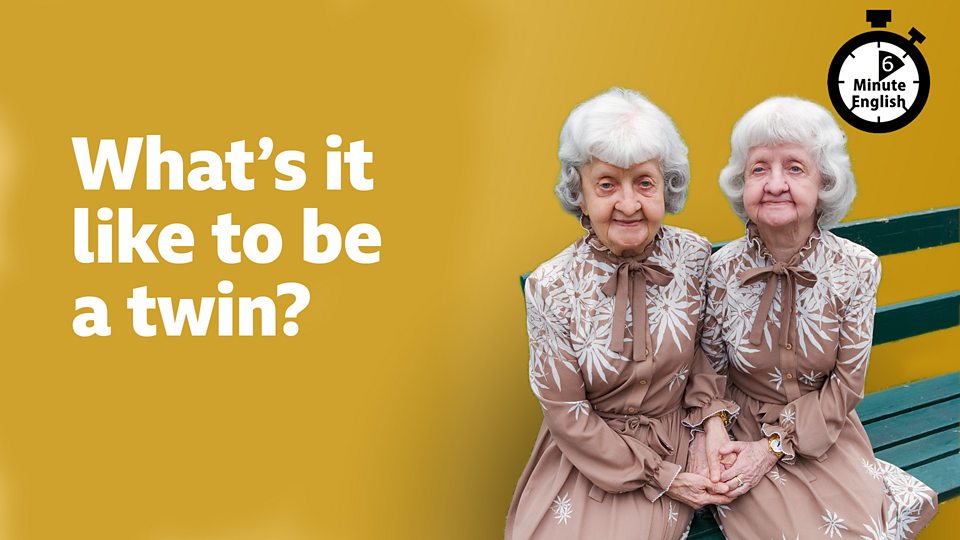
Do you know any twins? Or perhaps you are a twin yourself! Many people are fascinated by the lives of twins, but what questions should you avoid asking when you meet a twin? Neil and Beth discuss this and teach you some new vocabulary.

당신은 어떤 쌍둥이를 아십니까? 아니면 어쩌면 당신 스스로가 쌍둥이입니까? 많은 사람들이 쌍둥이의 삶에 마음을 사로잡힙니다. 그러나 당신이 쌍둥이를 만났을 때, 어떤 질문을 당신은 묻는 것을 피해야만 합니까? 닐과 베스가 이것을 논의하고 당신에게 몇몇 새로운 어휘를 가르쳐 줍니다.
이것은 이번 주제의 주요 내용입니다. 영어 단어를 공부할 때 스토리와 함께 공부하면 크게 도움이 됩니다. 다음은 이번 주에 수록된 주요 단어 목록들입니다.
|
adjective noun ★★[3943] ← from [씨앗말] adject 《 ject(던지다)
[영한] (문법) 형용사
[굴절형] 복수형; adjectives
<형용사> ① (문법) 형용사의[적인] ② 부수적[종속적]인, [법] (소송) 절차에 관한
[어근] ⑴ ad; 향하여, to ⑵ ject; 던지다, throw ⑶ ive; 형용사 어미
[최초 의미] word used to qualify, limit, or define a noun or noun-like part of speech
[파생] adjectival, adjectively, adjective
[본문] [55]Anand used the adjective eerie, meaning strange in a frightening, mysterious way.
amaze verb ★★★[2931] ← from [씨앗말] amaze(a+mæs) 《 maze(깜짝 놀란)
[영한] (대단히) 놀라게 하다
[굴절형] amazed, amazed, amazing, amazes
[유의어] stagger, astonish(깜짝 놀라게 하다)
<명사> (대단한) 놀라움 유의어 amazement
[어근] ⑴ a(ad); 향하여, 첨가, to ⑵ maze; maze, 깜짝 놀란
[어원] 《고대 영어 amasod》 [a+mæs] amazed
[최초 의미] overwhelm or confound with sudden surprise or wonder
[본문] [54]When the Jims were reunited in the 1970s, everyone was amazed at how similar their lives were.
annoyed adj. ★★[3764] ← from [씨앗말] annoy(지친[피로한])
[영한] 짜증이 난, 약이 오른
[유의어] irritated, sore
[구성단어] annoy + ed
[어근] ⑴ ann(en); 안에 두다, in, 하게하다 ⑵ oy(odi); 싫어함, hate ⑶ ed; 과거분사어미
[어원] 《프랑스말 enoiier》 지친[피로한], 짜증나다, 화나다
[본문] [64]Let's recap the vocabulary we've learned, starting with roll your eyes - to move your eyes upwards to show you are bored or annoyed.
bored adj. ★★★[2801] ← from [씨앗말] bore(나사)
[영한] 지루해[따분해]하는
[구성단어] bore + ed
[어근] ⑴ bor(bore); 송곳, 구멍을 뚫다, bore ⑵ ed; 형용사 어미
[어원] 《고대 영어 bor》 나사, 송곳
[파생] bored, bore
[본문] [64]Let's recap the vocabulary we've learned, starting with roll your eyes - to move your eyes upwards to show you are bored or annoyed.
boredom noun △[6235] ← from [씨앗말] bore(나사)
[영한] 지루함, 따분함
[구성단어] bore + dom
[어근] ⑴ bore; bore ⑵ dom; 상태,지위,집단
[어원] 《고대 영어 bor》 나사, 송곳
[최초 의미] state of being bored,
[본문] [19]Ask a twin about psychic powers and they might roll their eyes - a way of showing boredom or irritation.
boyfriend noun ★★★[2752] ← from [씨앗말] friend(친구)
[영한] 남자 친구, (남자) 애인
[굴절형] 복수형; boyfriends
[구성단어] boy + friend
[어근] ⑴ boy; 소년, boy ⑵ friend; 친구, frend
[어원] 《고대 영어 freond》 동무[친구], 연인; 개인적인 존경심과 선호도에 의해 서로에게 애착을 느끼는 사람
[본문] [16]Well, some common questions for twins include: "Do you have psychic powers? Have you ever swapped boyfriends? And do you have the same dreams?"
divorce verb ★★★[2449] ← from [씨앗말] divorce 《 vert(돌다[회전하다])
[영한] ① 이혼하다 ② ~을 ~와 분리하다[단절시키다]
[굴절형] divorced, divorced, divorcing, divorces
<명사> ① 이혼 ② 분리, 단절
[어근] ⑴ di(dis); 하지 않기, apart, aside ⑵ vorce(verse); 돌다, turn
[어원] 《라틴어 vertere》 돌다[회전하다], 뒤로 돌다[역회전하다], 돌려지다[반환되다], 전환하다, 변환하다,, 번역하다, 변경되다
[최초 의미] to put away or abandon (a spouse); to dissolve the marriage contract between by process of law
[파생] divorceable, divorcement, divorcer, divorcive, divorce
[본문] [48]They both married someone called Linda and then divorced her for someone called Betty.
eerie adj.[10000+] ← from [씨앗말] eerie
[영한] 괴상한, 으스스한
[유의어] uncanny, weird(섬뜩하다)
[어근] eerie; eerie
[어원] 《고대 영어 earg》 cowardly, fearful, wretched; slow, indolent, useless
[최초 의미] timid, affected by superstitious fear,
[파생] eerily, eeriness, eerie
[본문] [55]Anand used the adjective eerie, meaning strange in a frightening, mysterious way.
eerily adv.[10000+] ← from [씨앗말] eerily
[영한] 무시무시하게, 무서워하여, 불가사의하게
[구성단어] eerie + ly
[어근] ⑴ eeri(eerie); 괴상한, 으스스한, eerie ⑵ ly; 부사 어미
[파생] eerily, eeriness, eerie
[본문] [44]Yeah, you hear about twins that were separated at birth, grew up in different parts of the world, and they kind of have these eerily similar life courses.
episode noun ★★★★[1892] ← from [씨앗말] episode(가는 것[가기]) 《 hode(가는 것[가기])
[영한] ① (사람의 인생/소설 등에서 중요하거나 재미있는) 사건[에피소드] ② (라디오/텔레비전 연속 프로의) 1회 방송분
[굴절형] 복수형; episodes
[유의어] incident
[어근] ⑴ epi; 주위, 위 ⑵ s(eis); 안으로, into ⑶ ode(od); 길(way)
[어원] 《그리스어 hodos》 가는 것[가기], 다니기[놀러가기], 여행, 길, 오솔길, 도로
[최초 의미] commentary between two choric songs in a Greek tragedy
[본문] [4]In this episode, we're talking about twins.
fantastic adj. ★★★★[2382] ← from [씨앗말] fantasy(power of imagination)
[영한] ① 기막히게 좋은, 환상적인 ② 엄청난, 굉장한 ③ [주로 명사 앞에 씀] 기상천외한, 기이한 ④ 실행 불가능한
[유의어] great, enormous, amazing, brilliant, weird, fantastical, marvellous, sensational
<명사> 공상가
[어근] ⑴ fantas(phan); 상상력, (겉)모습, image ⑵ tic(ic); 형용사 어미
[어원] 《그리스어 phantasia》 [from phantazesthai] power of imagination; appearance, image, perception
[최초 의미] existing only in imagination
[파생] fantastic, fantasticality, fantasticalness, fantasy
[본문] [56]And Helena says, "It was crazy," using crazy to mean strange and fantastic.
fascinate verb ★★[3968] ← from [씨앗말] fascinate(마법에 걸림)
[영한] 마음을 사로잡다, 매혹[매료]하다
[굴절형] fascinated, fascinated, fascinating, fascinates
[유의어] mesmerise, mesmerize
[어근] ⑴ fascin; fascinate ⑵ ate; 동사 어미
[어원] 《라틴어 fascinus》 마법에 걸림, 황홀, 매력[마력], 마술
[최초 의미] bewitch, enchant
[파생] fascinate, fascinatedly, fascination, fascinative, fascinated
[본문] [7]As humans, we're fascinated by twins.
fascination noun ☆[4608] ← from [씨앗말] fascinate(마법에 걸림)
[영한] ① (아주 강한) 매력 ② 매혹, 매료됨
[굴절형] 복수형; fascinations
[어근] ⑴ fascin; 매력, charm ⑵ at(ate); 동작·결과·상태 ⑶ ion; 명사 어미
[어원] 《라틴어 fascinus》 마법에 걸림, 황홀, 매력[마력], 마술
[파생] fascinate, fascinatedly, fascination, fascinative
[본문] [41]Our fascination with twins also comes from the age-old 'nature versus nurture' debate: how much of our lives is determined by nature, the genetics we're born with, and how much by nurture, the environment we grow up in?
fertilised adj.[10000+] ← from [씨앗말] fertile 《 fer(가져오다)
[영한] ① 수정(受精)이 된 ② 씨물을 받은
[유의어] accustomed
[구성단어] fertilise + ed
[어근] ⑴ fert(fer); 운반, carry ⑵ il(ile); …에 관한(것) ⑶ is(ise); 동사 어미 ⑷ ed; 형용사 어미
[어원] 《라틴어 ferre》 가져오다, 운반하다, 견디다[열매 맺다]
[본문] [6]More uncommon are identical twins, who come from a single fertilised egg and share 100% of their genes.
fraternal adj.[10000+] ← from [씨앗말] fraternal(friendly)
[영한] ① 공제(共濟)의 ② 형제간의
[어근] ⑴ eerie; 형제, brother ⑵ al; 형용사 어미
[어원] 《라틴어 fraternus》 [from frater("a brother")] friendly, closely allied, (literally) brotherly
[파생] fraternalism, fraternally, fraternity, fraternize, fraternal
[본문] [5]Non-identical, or fraternal, twins come from two separate eggs and share half their genes.
frightening adj. ★★[3669] ← from [씨앗말] fright(두려움)
[영한] 무서운
[어근] ⑴ fright; fright ⑵ en; 동사어미 ⑶ ing; 현재진행어미
[어원] 《고대 영어 fryhto》 두려움, 두려워하다, 전율하는, 무서운 광경
[파생] frighteningly, frightening
[본문] [55]Anand used the adjective eerie, meaning strange in a frightening, mysterious way.
gene noun ★★★★[1968] ← from [씨앗말] gene(테어남)
[영한] (생물) 유전자
[굴절형] 복수형; genes
[어근] gene(gen); 탄생, 종족, birth
[어원] 《그리스어 genea》 테어남[생식(生殖), 출생, 발생], 인종[종족]
[파생] gene, genetic, genetically, genetics
[본문] [5]Non-identical, or fraternal, twins come from two separate eggs and share half their genes.
genetically adv. △[6391] ← from [씨앗말] genetic 《 gene(테어남)
[영한] 유전적으로, 유전자 상으로 (cf. genetic 유전적인)
[구성단어] genetic + ally
[어근] ⑴ gen; 생기다 ⑵ etic; 형용사 어미 ⑶ al; 형용사 어미 ⑷ ly; 부사/형용사 어미
[어원] 《그리스어 genea》 테어남[생식(生殖), 출생, 발생], 인종[종족]
[파생] gene, genetic, genetically, genetics
[본문] [42]Because twins are so genetically similar, differences between them tell scientists a lot.
genetics noun △[6363] ← from [씨앗말] genetic 《 gene(테어남)
[영한] ① 유전학 ② 유전적 특징
[굴절형] 복수형 명사
[어근] ⑴ gen; 생기다 ⑵ etic; 형용사 어미 ⑶ s; 명사 어미
[어원] 《그리스어 genea》 테어남[생식(生殖), 출생, 발생], 인종[종족]
[파생] gene, genetic, genetically, genetics
[본문] [41]Our fascination with twins also comes from the age-old 'nature versus nurture' debate: how much of our lives is determined by nature, the genetics we're born with, and how much by nurture, the environment we grow up in?
identical adj. ★★[3438] ← from [씨앗말] identi(같음[동일함])
[영한] ① 동일한, 똑같은 ② 바로 그
[어근] ⑴ ident(idem); 같은, same, idem ⑵ ical(ic); 형용사 어미
[어원] 《라틴어 identitas》 [identitatem의 주격] 같음[동일함]
[파생] identical, identically, identicalness, identify, identity
[본문] [6]More uncommon are identical twins, who come from a single fertilised egg and share 100% of their genes.
idiom noun ★★[3945] ← from [씨앗말] idiom
[영한] ① 관용구, 숙어 ② (특정 시기/지역에서 특정인들이 쓰는) 언어[어법] ③ (특정 개인/단체/시대/지역의) 표현 양식
[굴절형] 복수형; idioms
[어근] ⑴ idi; 자신의, 기이한, own ⑵ om(oma); 종(腫), 류(瘤)
[어원] 《그리스어 idios》 personal, private, one’s own, peculiar
[최초 의미] form of speech peculiar to a people or place
[파생] idiomatic, idiomatical, idiomatically, idiomaticalness, idiom
[본문] [39]But being a twin isn't always plain sailing - an idiom meaning easy and problem-free.
imagination noun ★★★★[1867] ← from [씨앗말] image(이미지)
[영한] ① 상상력, 상상 ② 가상, 착각 ③ 창의력
[굴절형] 복수형; imaginations
[구성단어] imagine + ion
[어근] ⑴ imagin(imit); 사진, 이미지, Image ⑵ ation(ion); 명사어미
[어원] 《라틴어 imago》 이미지, 유사성, 복사, 모방, 조각상, 그림
[파생] imaginable, imaginably, imaginary, imagination, imaginational, imaginative, imaginatively, imaginativeness, imagine, imaginer, image
[본문] [20]But nevertheless, twins continue to capture our imagination, and in this episode we'll be finding out why, using some useful new words and phrases.
irritation noun △[10000+] ← from [씨앗말] irritate(excite) 《 irrit
[영한] ① 짜증나게 함, 짜증, 격앙, 화, [C] 짜증나는 것, 자극하는 것 ② 자극 (상태), 흥분, 염증, 아픔, 과민증 ③ 흥분, 초조, 노여움
[굴절형] 복수형; irritations
[유의어] annoyance
[구성단어] irritate + ion
[어근] ⑴ irrit; 짜증, irritate ⑵ at(ate); 동사 어미 ⑶ ion; 명사 어미
[어원] 《라틴어 irritare》 (=irrito), 흥분하다, 화[짜증]나게하다, 귀챦게 하다
[파생] irritation, irritative, irritator, irritate
[본문] [19]Ask a twin about psychic powers and they might roll their eyes - a way of showing boredom or irritation.
literally adv. ★★★★[1987] ← from [씨앗말] literal 《 liter-(문자)
[영한] ① 문자[말] 그대로 ② (전달하는 사실을 강조하여) 그야말로 ③ (어구를 강조하여) 정말로[완전히]
[유의어] exactly
[구성단어] literal + ly
[어근] ⑴ liter; 문자, letter ⑵ al; 형용사 어미 ⑶ ly; 부사 어미
[어원] 《라틴어 littera》 문자, 쓰는 것, 문서, 기록
[파생] literal, literality, literalness, letter, literally
[본문] [53]Although, in this case the twins were literally separated and adopted by different parents at birth.
loads adv.[10000+] ← from [씨앗말] load(길)
[영한] 많이, 아주 많이
[유의어] a lot
[구성단어] load + s
[어근] ⑴ load; 짐(을 싣다), load ⑵ s; 접미어
[어원] 《고대 영어 lad》 길, 코스, 운반; 거리, 수로; 유지 보수, 지원
[본문] [72]Once again, our six minutes are up, but remember - you can find worksheets, quizzes and loads more resources to improve your English on our website, bbclearningenglish.com.
milestone noun △[10000+] ← from [씨앗말] stone
[영한] ① 중요한[획기적인] 단계[사건] ② (돌로 된) 마일표 ③ 마일스톤
[굴절형] 복수형; milestones
[유의어] landmark
[구성단어] mile + stone
[어근] ⑴ mile(mill); thousand ⑵ stone; 돌, stone
[어원] 《고대 영어 stan》 stone
[본문] [38]A milestone is an important stage of development, so a childhood milestone could be something like your first day at school.
mysterious adj. ★★★★[2369] ← from [씨앗말] mystery 《 myst
[영한] ① 이해[설명]하기 힘든, 기이한, 불가사의한 ② (특히 사람이 알려진 것이 많지 않아서) 신비한, 신비에 싸인 ③ (사람이 무엇에 대해) 말을 많이 하지 않는, 비밀스러운
[유의어] enigmatic(신비에 싸이다), cryptic(수수께끼 같다)
[어근] ⑴ myst; 비밀, 신비, secret ⑵ eri(ery); 명사어미 ⑶ ous; 형용사어미
[어원] 《그리스어 mysterion》 from mystes; secret rite or doctrine (known and practiced by certain initiated persons only), consisting of purifications, sacrificial offerings, processions, songs, etc.
[파생] mysterious, mysteriously, mysteriousness, mystery
[본문] [55]Anand used the adjective eerie, meaning strange in a frightening, mysterious way.
nurture noun ☆[5273] ← from [씨앗말] nutri(젖을 주다)
[영한] 양육, 육성, 양성
[굴절형] 셀 수 없는 명사
<동사> ① (잘 자라도록) 양육하다[보살피다] ② 육성[양성]하다 ③ (감정계획 등을 마음속으로) 키우다
[어근] ⑴ nurt(nutri); 양육, nourish ⑵ ure; 명사 어미
[어원] 《라틴어 nutrire》 [*nutri가 어원] 영양분을 주다, 젖을 먹이다, 먹이다, 아이를 맡아 기르다, 부양하다, 보호하다
[최초 의미] upbringing, the act or responsibility of rearing a child,
[파생] nurturable, nurturer, nurture
[본문] [41]Our fascination with twins also comes from the age-old 'nature versus nurture' debate: how much of our lives is determined by nature, the genetics we're born with, and how much by nurture, the environment we grow up in?
older adj. △[6185] ← from [씨앗말] old
[영한] 연상의
[구성단어] old + er
[어근] ⑴ old; old ⑵ er; 형용사 어미
[어원] 《고대 영어 ald》 (Anglian) antique, of ancient origin, belonging to antiquity, primeval; long in existence or use; near the end of the normal span of life; elder, mature, experienced
[본문] [36]But then the older you get, the more you realise how much people really think of you as a twin rather than as an individual.
philosopher noun ★★[3445] ← from [씨앗말] philosophy 《 soph(손기술이 뛰어난)
[영한] ① 철학자 ② 철학자[사색가] 같은 사람
[굴절형] 복수형; philosophers
[구성단어] philosophy + er
[어근] ⑴ philo(phil); 사랑(loving) ⑵ soph; 현명하다, wise ⑶ er; ~하는 사람
[어원] 《그리스어 sophos》 손기술이 뛰어난, 공예에 정교한, 일상의 삶의 문제에 영리한, 슬기로운, 과학에 숙련된, 학습된, 너무 영리한
[최초 의미] scholar, learned person, wise person; one devoted to the search for universal truth, a student of metaphysical and moral sciences
[파생] philosophic, philosopher, philosophical, philosophy
[본문] [43]Here's presenter of BBC World Service programme CrowdScience, Anand Jagatia, discussing this with Helena De Bres, a philosopher at Wellesley College, Massachusetts, and - that's right - another twin.
plain adj. ★★★★[2283] ← from [씨앗말] plain(평평한)
[영한] ① (보거나 이해하기에) 분명한 ② 숨김없는, 솔직한, 있는 그대로의 ③ 소박한, 꾸미지 않은 ④ 무늬[표시]가 없는, 무지(無地)의 ⑤ (강조의 의미로 쓰여) 보통의[평범한] ⑥ (특히 여성이) 아름답지 않은, 매력 없는 ⑦ (뜨개질에서) 겉뜨기의
[굴절형] 비교; plain < plainer < plainest
[유의어] everyday, clear, evident(분명하다), homely
<명사> 평원, 평지 <부사> (나쁨바보 같음 등을 강조할 때 써서) 분명히
[어근] plain; 평지, flat
[어원] 《라틴어 planus》 평평한, 평지인
[최초 의미] flat, smooth,
[파생] plainly, plainness, plain
[본문] [33]Being a twin isn't always plain sailing.
presenter noun △[6168] ← from [씨앗말] present 《 pres(앞에 있다)
[영한] ① (라디오/텔레비전 프로 각 부분의) 진행자[사회자] ② (특정 주제에 대한) 발표자 ③ (시상식에서) 시상하는 사람
[굴절형] 복수형; presenters
[구성단어] present + er
[어근] ⑴ present(pres); 앞에 있다, be before ⑵ er; ~하는 사람(명사어미)
[어원] 《라틴어 present》
[최초 의미] one who presents
[본문] [43]Here's presenter of BBC World Service programme CrowdScience, Anand Jagatia, discussing this with Helena De Bres, a philosopher at Wellesley College, Massachusetts, and - that's right - another twin.
problematic adj. △[9636] ← from [씨앗말] problem 《 bole(던지다)
[영한] 문제가 있는[많은]
[반의어] unproblematic(문제가 있다)
[구성단어] problem + atic
[어근] ⑴ pro; forward ⑵ blem(bol); throw ⑶ atic; ~성의(형용사어미)
[어원] 《그리스어 proballein》 [pro("before")+ballein("to throw")] put forth, propose
[최초 의미] doubtful, questionable
[파생] problematic, problematically, problem
[본문] [66]The idiom it's not plain sailing describes difficult and problematic situations.
psychic adj. ☆[5432] ← from [씨앗말] psychic 《 psycho(영혼)
[영한] ① 초자연적인, 심령의 ② (사람이) 초능력[신통력]이 있는 ③ 정신[마음]의 ④ 넋과 얼의
[유의어] paranormal
<명사> 심령술사, 초능력자, 영매
[어근] ⑴ psych; 심리, mind, psyche ⑵ ic; 형용사 어미
[최초 의미] of or pertaining to the human soul
[파생] psychical, psychically, psychic
[본문] [16]Well, some common questions for twins include: "Do you have psychic powers? Have you ever swapped boyfriends? And do you have the same dreams?"
quiz verb ★★[3942] ← from [씨앗말] quiz
[영한] ① (많은) 질문을 하다, 심문하다 ② (학생들에게 비공식적으로간단히) 시험을 치다[테스트를 하다]
[굴절형] quizzed, quizzed, quizzing, quizzes
[유의어] question
<명사> ① 퀴즈 ② (학생들에게 하는 비공식적인간단한) 시험[테스트]
[어근] quiz; quiz
[어원] 《라틴어 qui es》 who are you?
[파생] quizzable, quizzer, quiz
[본문] [21]And remember, you'll find all the vocabulary for this episode, along with a quiz and a worksheet, on our website, bbclearningenglish.com.
quiz noun ★★[3942] ← from [씨앗말] quiz
[영한] ① 퀴즈 ② (학생들에게 하는 비공식적인간단한) 시험[테스트]
[굴절형] 복수형; quizzes
<동사> ① (많은) 질문을 하다, 심문하다 ② (학생들에게 비공식적으로간단히) 시험을 치다[테스트를 하다]
[어근] quiz; quiz
[어원] 《라틴어 qui es》 who are you?
[파생] quizzable, quizzer, quiz
[본문] [72]Once again, our six minutes are up, but remember - you can find worksheets, quizzes and loads more resources to improve your English on our website, bbclearningenglish.com.
realise verb ★★★[2497] ← from [씨앗말] realize(실제의) 《 real(실제의)
[영한] ① 깨닫다, 알아차리다, 인식[자각]하다 ② (목표 등을) 실현[달성]하다 ③ (수동형으로 쓰여) (우려 등이) 현실이 되다[실제로 발생하다] ④ (자산을) 실현하다[현금화하다] ⑤ (상품 등이) (특정한 금액에) 팔리다 ⑥ (글로 된 정보/지시 등에 기반하여 음향/연극/디자인 등을) 실현하다[만들어 내다]
[굴절형] realised, realised, realising, realises
[유의어] make, convert
[구성단어] real + ize
[어근] ⑴ real; 사실, real ⑵ ise(ize); 동사 어미
[BRIT] 미국영어 ☞ realize
[어원] 《라틴어 realis》 실제의, 사물 그 자체인
[파생] real, realisable, realisably, realisation, realiser, reality, realizable, realizably, realization, realize, realizer, really, realness, realise
[본문] [36]But then the older you get, the more you realise how much people really think of you as a twin rather than as an individual.
recap verb △[6146] ← from [씨앗말] cap(머리)
[영한] 개요를 말하다
[굴절형] recapped, recapped, recapping, recaps
[유의어] recapitulate
<명사> ① 요점의 되풀이, 요약, 개요 ② (생물) 발생 반복 ③ (음악) 재현부
[어근] ⑴ re; again ⑵ cap; 머리, head
[어원] 《라틴어 caput》 〈capitis의 소유격〉 머리, 지도자, 안내자, 주요 인사, 정상, 수도
[최초 의미] put a cap on again
[파생] recappable, recap
[본문] [64]Let's recap the vocabulary we've learned, starting with roll your eyes - to move your eyes upwards to show you are bored or annoyed.
reunite verb △[10000+] ← from [씨앗말] reunite 《 uni(하나)
[영한] ① (오랫동안 헤어졌던 사람들이) 재회[재결합]하다, 재회[재결합]하게 하다 ② 재통합하다[시키다]
[굴절형] reunited reunited reuniting reunites
[구성단어] re + unite
[어근] ⑴ re; 접두어 ⑵ equip; 장비, equip ⑶ un(uni); 하나의, one ⑷ ite; 명사/형용사/동사
[어원] 《라틴어 unus》 하나
[본문] [47]There's that really famous case of the Jim Twins, who were reunited at age 39 after being separated at birth, and they just had so many similarities - it was crazy!
ridiculous adj. ★★★[2633] ← from [씨앗말] ridicule 《 rid
[영한] 웃기는, 말도 안 되는, 터무니없는
[유의어] absurd, ludicrous(우스꽝스럽다), silly, absurd(우스꽝스럽다)
[구성단어] ridicule + ous
[어근] ⑴ ridi(rid); 웃다, laugh ⑵ cul(cule); 지소 어미 ⑶ ous; …이 많은, …성(性)의
[어원] 《고대 노르웨이말 ryðja》 to clear (land) of obstructions
[최초 의미] laughable, funny, absurd
[파생] ridicule, ridiculer, ridiculous, ridiculously, ridiculousness
[본문] [50]It was, like, ridiculous!
sailing noun △[9593] ← from [씨앗말] sail
[영한] ① 보트[요트/배] 타기 ② (정기 여객선 등이 정해진 시간에 하는) 출항
[굴절형] (복수형; sailings
[구성단어] sail + ing
[어근] ⑴ sail; 돛, 항해, sail ⑵ ing; 명사 어미
[어원] 《고대 영어 segl》 sail, veil, curtain
[본문] [33]Being a twin isn't always plain sailing.
sibling noun △[6586] ← from [씨앗말] sibling
[영한] (격식 또는 전문 용어) (한 명의) 형제자매[동기]
[굴절형] 복수형; siblings
<형용사>
[어근] ⑴ sib; 친족, 사랑, kindred ⑵ ling; 지소사(指小辭)
[어원] 《고대 영어 sibling》 sib+-ling; relative, kinsman
[최초 의미] brother or sister
[본문] [68]It also refers to siblings who were adopted by different parents at birth.
similarity noun ★★★[3213] ← from [씨앗말] similar 《 simil(비슷한)
[영한] ① 유사성, 닮음 ② 유사점, 닮은 점
[굴절형] 복수형; similarities
[유의어] resemblance
[반의어] difference, dissimilarity
[어근] ⑴ simil; like, resembling ⑵ ar; 형용사어미 ⑶ ity; 명사 어미
[어원] 《라틴어 similis》 ~과 같은, 비슷한, 같은 종류의
[파생] similar, similarity, similarly, similitude
[본문] [47]There's that really famous case of the Jim Twins, who were reunited at age 39 after being separated at birth, and they just had so many similarities - it was crazy!
swap verb ☆[5226] ← from [씨앗말] swap
[영한] ① (어떤 것을 주고 그 대신 다른 것으로) 바꾸다, (이야기 등을) 나누다 ② (일을 서로 바꿔 가면서) 교대로 하다 ③ 교환[교체]하다
[굴절형] swapped swopped, swapped swopped, swapping swopping, swaps swops
[유의어] switch
<명사> ① 바꾸기, 교환, 교체 ② 교환품, 교체된 사람
[어근] swap; 바꾸기, swap
[어원] 《중세 영어 swappen》 to strike, move quickly; prob. echoic
[최초 의미] to strike, strike the hands together
[파생] swapper, swopper, swap
[본문] [16]Well, some common questions for twins include: "Do you have psychic powers? Have you ever swapped boyfriends? And do you have the same dreams?"
twin noun ★★★★[1830] ← from [씨앗말] twin(consisting of two) 《 two(둘[2])
[영한] ① 쌍둥이 ② 쌍둥이 같은 것
[굴절형] 복수형; twins
<동사> ① (두 도시지역이) 자매 관계를 맺다 ② (두 사람사물을 긴밀히) 결부시키다 <형용사> ① 쌍둥이의 ② 한 쌍의 ③ (긴밀히 연결된) 두 가지의
[어근] twin(two); 2배, two
[어원] 《고대 영어 twinn》 둘로 구성된, 2배[겹], 2배[곱절], 둘 곱하기 둘
[최초 의미] double
[파생] twinning, twin
[본문] [8]When people discover that someone's a twin, they start asking all kinds of questions.
twinship noun[10000+] ← from [씨앗말] twin(consisting of two) 《 two(둘[2])
[영한] 쌍둥이 관계[상태], 밀접한 관련성.
[구성단어] twin + ship
[어근] ⑴ twin(two); 2배, two ⑵ ship; 명사 어미
[어원] 《고대 영어 twinn》 둘로 구성된, 2배[겹], 2배[곱절], 둘 곱하기 둘
[본문] [32]Here, she discusses the good and bad sides of twinship with Anand Jagatia, for BBC World Service programme CrowdScience:
uncommon adj. ☆[5153] ← from [씨앗말] common 《 commun(보통의)
[영한] ① 흔하지 않은, 드문 ② 굉장한, 대단한
[유의어] unusual, remarkable, rare, rare, unusual(특이하다)
[반의어] common, common(흔하다)
[구성단어] un + common
[어근] ⑴ un; 아님(不, 無), not ⑵ common(commun); common, public
[어원] 《라틴어 communis》 보통의, 공공의, 일반적인, 모두 또는 대다수에 의해 공유되는, 특별하지 않는, 칙숙한, 허세부리지 않는
[본문] [6]More uncommon are identical twins, who come from a single fertilised egg and share 100% of their genes.
unusually adv. ★★[4412] ← from [씨앗말] unusual(쓰다) 《 use(쓰다)
[영한] ① 대단히, 몹시 ② 평소와 달리, 특이하게
[구성단어] unusual + ly
[어근] ⑴ un; 아님(不, 無), not ⑵ us(use); 사용, use ⑶ ual(al); 형용사 어미 ⑷ ly; 부사 어미
[어원] 《라틴어 usare》 (자꾸) 쓰다
[파생] unusually, unusualness, unusual
[본문] [67]The phrase separated at birth can describe two people who are unusually similar.
upwards adv. ★★[3680] ← from [씨앗말] upward 《 ward(지켜보다)
[영한] ① 위쪽으로 ② (양/가격이) 올라가[상승하여] ③ ~보다 많게[이상으로]
[반의어] downwards, downwards(아래쪽으로)
[구성단어] upward + s
[어근] ⑴ up; 위, up ⑵ ward; 보호, guard ⑶ s; 명사 어미
[BRIT] 미국영어 ☞ upward
[어원] 《고대 영어 upweard》 =upweardes;
[본문] [64]Let's recap the vocabulary we've learned, starting with roll your eyes - to move your eyes upwards to show you are bored or annoyed.
versus prep. ★★★[3056] ← from [씨앗말] verse(돌다[회전하다]) 《 vert(돌다[회전하다])
[영한] ① (특히 스포츠또는 법률) (소송/스포츠 경기 등에서) …대(對) ② …에 비해[…와 대조적으로]
[ABBR] vs
[어근] versus(verse); 돌다, turn
[어원] 《라틴어 vertere》 돌다[회전하다], 뒤로 돌다[역회전하다], 돌려지다[반환되다], 전환하다, 변환하다,, 번역하다, 변경되다
[본문] [41]Our fascination with twins also comes from the age-old 'nature versus nurture' debate: how much of our lives is determined by nature, the genetics we're born with, and how much by nurture, the environment we grow up in?
vocabulary noun ★★★[2909] ← from [씨앗말] vocabulary(to call) 《 voc(부르다)
[영한] ① (개인이 아는/사용하는) 어휘 ② (특정 언어의 모든) 어휘 ③ (특정 주제에 관련된) 용어 ④ 어휘 목록(특히 외국어 학습 교재 속에 의미와 함께 제시된 것)
[굴절형] 복수형; vocabularies
[어근] ⑴ vocabul(voc); 소리, voice ⑵ ary; 부속의
[어원] 《라틴어 vocare》 부르다
[최초 의미] list of words with explanations
[파생] vocabularied, vocabulary
[본문] [21]And remember, you'll find all the vocabulary for this episode, along with a quiz and a worksheet, on our website, bbclearningenglish.com.
website noun ★★★[2468] ← from [씨앗말] website(woven fabric) 《 site(장소)
[영한] 웹사이트(기업/단체/개인이 정보를 올릴 수 있는 홈페이지)
[굴절형] 복수형; websites
[구성단어] web + site
[어근] ⑴ web; 거미줄, web ⑵ site; 위치, 직위, place, position
[어원] 《고대 영어 webb》 woven fabric, woven work, tapestry
[본문] [21]And remember, you'll find all the vocabulary for this episode, along with a quiz and a worksheet, on our website, bbclearningenglish.com.
worksheet noun △[6352] ← from [씨앗말] worksheet 《 sheet(옷 길이)
[영한] ① (학습용) 연습 문제지[평가지] ② 작업 계획표[진행표] ③ 워크시트
[굴절형] 복수형; worksheets
[구성단어] work + sheet
[어근] ⑴ work; 일하다, work ⑵ sheet; sheet
[어원] 《고대 영어 sciete》 옷 길이, 덮기, 내프킨, 수건, 감추는 것
[본문] [21]And remember, you'll find all the vocabulary for this episode, along with a quiz and a worksheet, on our website, bbclearningenglish.com.
이 블로그에는 [BBC 6분 영어와 관련하여 매주 다음과 같은 글들이 게시 됩니다
- 단어공부(금주 대본에 나온 주요 어휘) 이 글입니다
- 멀티단어공부(금주 대본에 사용된 멀티단어(구동사, 숙어) 간단 정리) 이 글의 포스팅 시점에는 아직 작성되지 않았습니다.
- 독해공부(금주 대본의 문장별 해석(직역) 자료) 이 글의 포스팅 시점에는 아직 작성되지 않았습니다.
- 문장별 문법공부(문장별 문법 설명) 이 글의 포스팅 시점에는 아직 작성되지 않았습니다.
- 금주의 어휘(금주 대본에 나온 금주의 어휘를 집중적으로 정리한 자료) 이 글의 포스팅 시점에는 아직 작성되지 않았습니다.
- 항목별 문법공부(금주 대본에 나온 문법을 주제별/항목별로 정리한 자료) 이 글의 포스팅 시점에는 아직 작성되지 않았습니다.
- 금주의 구동사(금주 대본에 사용된 구동사 상세 정리) 이 글의 포스팅 시점에는 아직 작성되지 않았습니다.
- 금주의 PDF(금주의 PDF 및 기타 다운로드 파일) https://softca.tistory.com/3310
금주의 PDF 파일은 이곳을 클릭하세요.
새내기할배의 [영어단어공부]자료를 처음 보시는 분은 <다음> 링크를 클릭하셔서 BBC Learning English 6 Minute English [공부법]을 먼저 보시기 바랍니다
https://softca.tistory.com/4?category=827780
본 글은 Word Frequency 기준 1800순위 이하를 제외한 단어만을 수록하고 있습니다.
본 자료는 PDF 파일로 다운 받을 수 있습니다.
새내기할배 블로그가 제안하는 영어단어 암기법은 기본적으로 문장을 통해 암기하는 것입니다. 그래서 설명하는 모든 단어마다 본문도 함께 제시됩니다. 그러나 새로 나온다고 해서 모든 단어를 무한정 암기할 수는 없습니다. 그래서 암기해야 해야 할 단어와 이해만 하고 넘어갈 단어를 구분하는 지혜가 필요합니다.
6 Minute English는 BBC Learning English 사이트에서 매주 출간하는 무료 영어 교육 콘텐츠이며 오디오 파일과 대본(Script) 파일을 제공합니다.