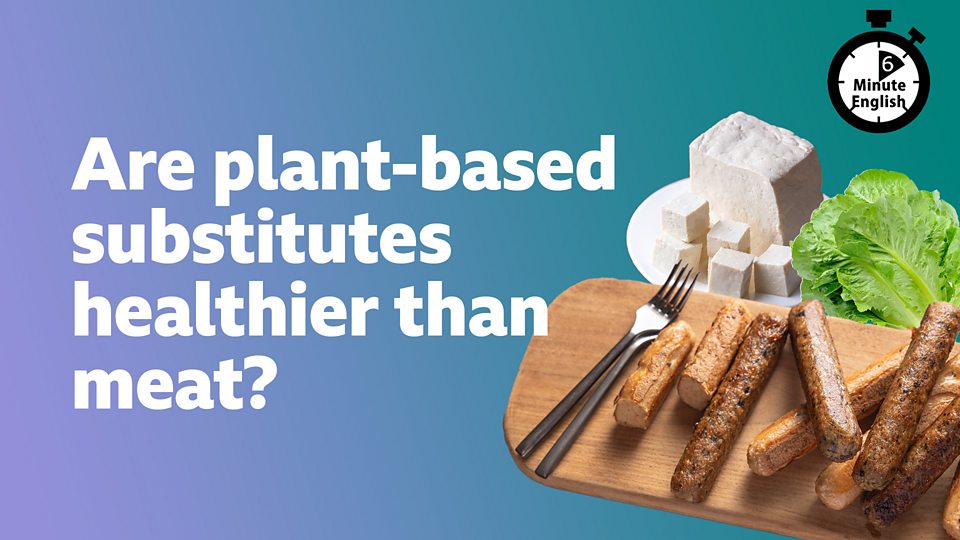
Do you ever eat plant-based sausages or burgers? Perhaps you have chosen to reduce or eliminate meat from your diet, or perhaps you simply prefer the flavour! But are these plant-based substitutes any healthier than the meat options they have replaced? Neil and Georgie discuss this and teach you some new vocabulary.
당신은 한 번이라도 식물성의 소시지나 또는 버거를 먹어 보았습니까? 아마도 당신은 당신 식사에서 고기를 줄이거나 없애는 것을 선택한 적이 있었습니다. 아니면 아마도 당신은 그냥 그 맛을 더 좋아합니다. 그러나 이들 식물성의 대체물이 [그들이 대체한] 고기 옵션 보다 조금이라도 더 건강합니까? 닐과 죠지가 이것을 논의합니다. 그리고 당신에게 몇몇의 새로운 어휘를 가르칩니다.
이것은 이번 주제의 주요 내용입니다. 영어 단어를 공부할 때 스토리와 함께 공부하면 크게 도움이 됩니다. 다음은 이번 주에 수록된 주요 단어 목록들입니다.
|
additive noun △[10000+] ← from [씨앗말] add(추가하다)
[영한] 첨가물, 첨가제
[굴절형] 복수형; additives
<형용사> ① 부가적인, [수학] 덧셈의 ② 부가의, 추가의 ③ 덧붙이는, 덧대는, 더하는
[구성단어] add + Ive
[어근] ⑴ add; 더하다, 첨가하다, add ⑵ it; 연결 글자 ⑶ ive; 형용사 어미
[어원] 《라틴어 addere》 [ad+dere의 합성어] 추가하다, 합류하다, 붙이다, 맡기다
[파생] add, addable, addible, addition, additive
[본문] [17]Well, my question is - looking at these vegetable sausages, how they are processed, full of additives and flavourings and colourings - are they any healthier than a pork sausage?
alternative noun ★★★★[1835] ← from [씨앗말] alternate(하나 뒤 다른 것) 《 alter(다른 사람(것))
[영한] ① 대안, 선택 가능한 것 ② 대체품, 대체제
[굴절형] 복수형; alternatives
<형용사> ① 대체 가능한, 대안이 되는 ② 대안적인, 대체의
[구성단어] alternate + Ive
[어근] ⑴ alter; 다른 쪽, 변경, the other ⑵ n(nus); 형용사 어미 ⑶ at(ate); 동사 어미 ⑷ ive; 형용사어미
[어원] 《라틴어 alternus》 [from alter, alter+-rnus] one after another, by turns
[최초 의미] proposition involving two statements, the acceptance of one implying the rejection of the other,
[파생] alternate, alternation, alternatively, alternativeness, alternative
[본문] [18]In this episode, we'll be finding out whether plant-based foods really are a healthier alternative to meat.
banger noun △[7028] ← from [씨앗말] bang
[영한] ① 소시지 ② 고물차 ③ 폭죽
[굴절형] 복수형; bangers
[구성단어] bang + er
[어근] ⑴ bang; 쾅소리, bang ⑵ er; 명사 어미
[어원] 《영어 banger》 [agent noun from bang]
[최초 의미] anything which bangs, (British English slang) a sausage
[본문] [63]And we have a typical dish in the UK called bangers and mash, which is sausages and mash.
barbecue noun[10000+] ← from [씨앗말] barbecue
[영한] ① 바비큐[숯불구이]용 그릴 ② 바비큐 파티
[굴절형] 복수형; barbecues
[어근] barbecue; 바베큐, barbecue
[어원] 《스페인말 barbacoa》
[본문] [9]I have lots of vegetarian friends, so I've been to veggie barbecues, and have tried the plant-based sausages and burgers.
bean noun ★★★★[1836] ← from [씨앗말] bean(콩)
[영한] ① 콩 ② …콩[열매]
[굴절형] 복수형; beans
<동사> 머리를 때리다
[어근] bean; 콩, bean
[어원] 《고대 영어 bean》 콩, 완두콩, 콩과 식물
[본문] [6]Instead, people are getting their daily amount of protein through plant-based alternatives - meat-free sausages and burgers made using ingredients like soy, tofu or fungi, as well as tempeh, beans or nuts.
booze noun △[6665] ← from [씨앗말] booze
[영한] 술
[굴절형] 셀 수 없는 명사
<동사> 술을 진탕 마시다
[어근] booze; 술, booze
[어원] 《중세 네덜란드말 buse》 [related to Middle High German bus] (noun) drinking vessel
[최초 의미] alcoholic drink
[파생] boozed, boozing, booze
[본문] [24]a) booze, b) banger, or c) brunch?
burger noun △[6452] ← from [씨앗말] burger
[영한] ① 햄버거용 쇠고기. ② 햄버거 스테이크 , 햄버거
[굴절형] 복수형; burgers
[어근] burger(hamburger); 햄버거, hamburger
[어원] 《영어 hamburger》 (American English)
[본문] [6]Instead, people are getting their daily amount of protein through plant-based alternatives - meat-free sausages and burgers made using ingredients like soy, tofu or fungi, as well as tempeh, beans or nuts.
colouring noun △[8368] ← from [씨앗말] color(피부 색)
[영한] ① (식품의) 색소 ② 신체의 색 ③ (특히 동식물이 원래 지니고 있는) 색
[굴절형] 복수형; colourings
[구성단어] colour + ing
[어근] ⑴ colour(color); 색상, color ⑵ ing; 명사 어미
[어원] 《라틴어 color》 피부 색, 색상, 색깔, 색조; 외관
[본문] [17]Well, my question is - looking at these vegetable sausages, how they are processed, full of additives and flavourings and colourings - are they any healthier than a pork sausage?
curious adj. ★★[3511] ← from [씨앗말] curious 《 cure(돌보다)
[영한] ① 궁금한, 호기심이 많은 ② 별난, 특이한, 기이한
[유의어] inquisitive
[어근] ⑴ curi(cur); 보살피다, care ⑵ ous; …이 많은, …성(性)의
[어원] 《라틴어 curare》 ~을 돌보다, ~에 주의하다
[최초 의미] subtle, sophisticated; eager to know, inquisitive, desirous of seeing
[파생] curiosity, curious, curiously, curiousness
[본문] [34]Graham, listening to all this, you know, normally a fan of a meat sausage - you're plant-based, meat-alternative sausage curious, that we're exploring today - what do you think about hearing about the sources of where they come from?
diabetes noun △[6204] ← from [씨앗말] diabetes(excessive discharge of urine) 《 base(발걸음)
[영한] 당뇨병
[굴절형] 셀 수 없는 명사
[어근] ⑴ dia; 통하여 ⑵ betes(bas); 걷다, 기초, step
[어원] 《라틴어 diabetes》 초과 소변 배출
[본문] [15]Now, with processed meat being linked to diseases like diabetes and cancer, most doctors agree that plant-based options are healthier.
eater noun △[9332] ← from [씨앗말] eat(먹다)
[영한] …을[…하게] 먹는 사람[동물]
[굴절형] 복수형; eaters
[구성단어] eat + er
[어근] ⑴ eat; 먹다, eat ⑵ er; 명사 어미
[어원] 《고대 영어 etan》 음식을 먹다, 게걸스레 먹다, 먹다[마시다]
[파생] eater, eat
[본문] [51]Yeah, I've always been a meat eater, but I do need a plant-based product to be similar in terms of flavour, texture, and appearance.
eating noun ★★★[2912] ← from [씨앗말] eat(먹다)
[영한] 식사 (행위)
<형용사> ① (근심 등이) 마음을 썩이는 ② 식용의, 날로 먹을 수 있는
[구성단어] eat + ing
[어근] ⑴ eat; 먹다, eat ⑵ ing; 명/형용사 어미
[어원] 《고대 영어 etan》 음식을 먹다, 게걸스레 먹다, 먹다[마시다]
[본문] [44]Of course, healthy eating is important, but there are other factors influencing whether meat lovers like Graham could be persuaded to try plant-based alternatives.
eliminate verb ★★[3703] ← from [씨앗말] eliminate(off the threshold) 《 limit(경계[가르는 금])
[영한] ① 없애다, 제거[삭제]하다 ② (시합 등에서) 탈락시키다 ③ (적/적수를) 제거하다[죽이다]
[굴절형] eliminated eliminated eliminating eliminates
[유의어] knock out, get rid of
[어근] ⑴ e(ex); 밖으로, 외(外), out ⑵ limin(limit); 경계, boundary ⑶ ate; 동사 어미
[어원] 《라틴어 ex limine》 off the threshold
[최초 의미] thrust out of doors, expel
[파생] eliminability, eliminable, eliminant, elimination, eliminative, eliminator, eliminatory, eliminate
[본문] [75]Perhaps you have chosen to reduce or eliminate meat from your diet, or perhaps you simply prefer the flavour!
episode noun ★★★★[1892] ← from [씨앗말] episode(가는 것[가기]) 《 hode(가는 것[가기])
[영한] ① (사람의 인생/소설 등에서 중요하거나 재미있는) 사건[에피소드] ② (라디오/텔레비전 연속 프로의) 1회 방송분
[굴절형] 복수형; episodes
[유의어] incident
[어근] ⑴ epi; 주위, 위 ⑵ s(eis); 안으로, into ⑶ ode(od); 길(way)
[어원] 《그리스어 hodos》 가는 것[가기], 다니기[놀러가기], 여행, 길, 오솔길, 도로
[최초 의미] commentary between two choric songs in a Greek tragedy
[본문] [18]In this episode, we'll be finding out whether plant-based foods really are a healthier alternative to meat.
fermentation noun △[10000+] ← from [씨앗말] ferment
[영한] ① 발효 (작용) ② 소동, 인심의 동요, 흥분
[구성단어] ferment + ation
[어근] ⑴ ferment(ferv); boil, 끓이다, 발효 ⑵ ation(ion); 명사 어미
[본문] [31]Quorn, one of the best-known brands of meat-free products, uses mycoprotein, a fungi-based protein similar to the fungi used in the fermentation of yoghurt and bread.
flavour noun ★★★[2930] ← from [씨앗말] flavor 《 fla(불다[흩날리다])
[영한] ① (음식술의) 풍미[맛] ② (특정한) 맛 ③ 정취, 분위기 ④ (무엇에 대한) 느낌[감(感)] ⑤ (컴퓨터) (소프트웨어의 특정한) 종류
[굴절형] 복수형; flavours
[유의어] taste, ambience
<동사> (무엇에) 맛[풍미]을 더하다[첨가하다]
[어근] ⑴ flav(fla); 불꽃, 바람이 불다, blow ⑵ our(or); …하는 사람[것]
[BRIT] 미국영어 ☞ flavor
[어원] 《라틴어 flare》 불다[흩날리다], 내뿜다[뻐끔거리다]; 고무[격려]하다, 권장[장려]하다
[최초 의미] a smell, odor
[파생] flavorer, flavorless, flavorsome, flavourer, flavourless, flavoursome, flavour
[본문] [51]Yeah, I've always been a meat eater, but I do need a plant-based product to be similar in terms of flavour, texture, and appearance.
flavouring noun[10000+] ← from [씨앗말] flavor 《 fla(불다[흩날리다])
[영한] 향료
[굴절형] 복수형; flavourings
[구성단어] flavour + ing
[어근] ⑴ flav(fla); 불꽃, 바람이 불다, blow ⑵ our(or); …하는 사람[것] ⑶ ing; 명사 어미
[BRIT] 미국영어 ☞ flavoring
[어원] 《라틴어 flare》 불다[흩날리다], 내뿜다[뻐끔거리다]; 고무[격려]하다, 권장[장려]하다
[본문] [17]Well, my question is - looking at these vegetable sausages, how they are processed, full of additives and flavourings and colourings - are they any healthier than a pork sausage?
fungus noun △[6892] ← from [씨앗말] fungus(a mushroom)
[영한] ① 균류, 곰팡이류 ② 균상종
[굴절형] 복수형; fungi funguses
[어근] fungus(sponge); 스펀지, 해면, sponge
[어원] 《라틴어 fungus》 a mushroom, fungus;
[파생] fungic, fungicidal, fungicidally, fungous, fungus, funguslike, fungus-like, fungicide
[본문] [35]What's your gut reaction to hearing that Quorn comes from a fungus?
gravy noun △[7823] ← from [씨앗말] gravy
[영한] ① 그레이비 ② 뜻밖에 얻는 것(특히 돈), 횡재
[굴절형] 복수형; gravies
[어근] gravy(gran); 곡물, grain
[어원] 《라틴어 granum》 씨, 곡물, 작은 (씨)알맹이
[본문] [64]Mmm, love it - with gravy!
gut noun △[6177] ← from [씨앗말] gut
[영한] ① 소화관 ② (특히 동물의) 내장 ③ (사람의, 특히 뚱뚱한) 배 ④ 배짱 ⑤ 직감 ⑥ 요지 ⑦ 장선(腸線), 거트
[굴절형] 복수형; guts
[유의어] belly, intestine
<동사> ① (특히 화재로 건물방의) 내부[내용물]를 파괴하다 ② (요리를 하기 위해 생선동물의) 내장을 제거하다 <형용사> (이성이 아닌) 직감에 따른
[어근] gut; 소화관, 창자, gut
[어원] 《고대 영어 guttas》 bowels, entrails; a channel
[최초 의미] bowels, entrails; a channel,"
[파생] gutlike, gut
[본문] [35]What's your gut reaction to hearing that Quorn comes from a fungus?
increasing adj. ★★★[2925] ← from [씨앗말] increase 《 cresc
[영한] ① 증대[증가]하는 ② 증가적인, 증가의
[반의어] decreasing(증가이다)
[구성단어] increase + ing
[어근] ⑴ in; in, on ⑵ creas(cresc); 성장하다, to grow ⑶ ing; 형용사 어미
[어원] 《라틴어 crescere》 커지다, 나오다[공표되다], 확 나타나다, 잘 자라다[번창하다], 불룩해지다[붓다], (수량이나 강도가) 증가하다
[파생] increasable, increasedly, increaser, increasing, increasingly, increase
[본문] [4]If you've heard about Meat-Free Mondays or Veganuary, you probably know about a trend which an increasing number of people are trying - to reduce, or even stop, eating meat.
initial adj. ★★★★[2226] ← from [씨앗말] initial 《 init(들어가다)
[영한] 처음의, 초기의
[유의어] preliminary
<명사> ① 이름의 첫 글자[머리글자] ② 성명의 첫 글자[머리글자]들 <동사> 성명의 첫 글자[머리글자]들을 표시하다[서명하다]
[어근] ⑴ initi(init); 들어가다, 시작하다 ⑵ al; 형용사 어미
[어원] 《라틴어 inire》 [in-+ire] 들어가다, 착수하다, 시작하다
[최초 의미] of or pertaining to a beginning
[파생] initial, initialer, initialler, initially, initiate, initiation, initiative, initiatory
[본문] [40]Your gut reaction is your opinion based on your initial feeling or instinct about something.
instinct noun ★★★[2588] ← from [씨앗말] instinct(to incite) 《 stinct(찌르다)
[영한] ① 본능, 타고난 소질 ② 직감
[굴절형] 복수형; instincts
[유의어] intuition(직감), nose(알아보는 능력)
[어근] ⑴ in; into ⑵ stinct; prick, goad
[어원] 《라틴어 instinguere》 to incite, impel
[최초 의미] a prompting" (obsolete)
[파생] instinct, instinctive, instinctively, instinctual, instinctually
[본문] [40]Your gut reaction is your opinion based on your initial feeling or instinct about something.
instinctive adj. △[10000+] ← from [씨앗말] instinct(to incite) 《 stinct(찌르다)
[영한] 본능[직감]에 따른, 본능적인
[유의어] automatic(무의식적이다)
[구성단어] instinct + Ive
[어근] ⑴ in; into ⑵ stinct; prick, goad ⑶ ive; 형용사 어미
[어원] 《라틴어 instinguere》 to incite, impel
[파생] instinct, instinctive, instinctively, instinctual, instinctually
[본문] [67]Your gut reaction is your opinion about something, based on instinctive feelings, not logic or reason.
listener noun ★★★★[2257] ← from [씨앗말] listen(to listen)
[영한] ① 듣는 사람, 청자 ② (라디오) 청취자
[굴절형] 복수형; listeners
[구성단어] listen + er
[어근] ⑴ listen; 듣다, listen ⑵ er; ~하는 사람(명사어미)
[어원] 《고대 영어 hlysnan》 [from Proto-Germanic *hlusinon] to listen, hear; attend to, obey, pay attention to
[파생] listener, listen
[본문] [26]Otherwise, it will spoil it for our listeners.
load noun ★★★★[1941] ← from [씨앗말] load(길)
[영한] ① (사람/차량 등이 운반하는, 보통 많은 양의) 짐[화물] ② (운반하거나 실을 수 있는) 짐의 양[적재량], 한 짐[차] ③ (짐의) 무게, 하중 ④ (수/양이) 많음[충분함] ⑤ 순 … ⑥ (사람/기계의) 작업[업무]량 ⑦ 부담, (마음의) 짐 ⑧ (전기의) 부하
[굴절형] 복수형; loads
[유의어] burden, cargo
<동사> ① (~에 많은 짐사람 등을) 싣다[태우다/적재하다] ② (짐이) 실리다[적재되다] ③ (사람에게 특히 들고 갈 것을) 가득 안겨 주다
[어근] load; 짐(을 싣다), load
[어원] 《고대 영어 lad》 길, 코스, 운반; 거리, 수로; 유지 보수, 지원
[최초 의미] that which is laid upon a person or beast, burden
[본문] [72]Once again, our six minutes are up, but remember you can find worksheets, quizzes and loads more resources to improve your English over on our website, bbclearningenglish.com.
logic noun ★★[3699] ← from [씨앗말] log(~을 다루는[까닭])
[영한] ① 논리 ② 타당성 ③ (철학) 논리학 ④ (컴퓨터) (프로그램 작성상의) 논리[로직]
[굴절형] 셀 수 없는 명사
[어근] ⑴ log; 말,학문 ⑵ ic; 형용사어미
[어원] 《라틴어 logica》 logic
[최초 의미] branch of philosophy that treats of forms of thinking; the science of distinction of true from false reasoning,
[파생] logical, logicality, logically, logicalness, logic
[본문] [67]Your gut reaction is your opinion about something, based on instinctive feelings, not logic or reason.
logically adv.[10000+] ← from [씨앗말] log(~을 다루는[까닭])
[영한] ① 논리상, 논리적으로 ② 필연적으로
[구성단어] logical + ly
[어근] ⑴ log; 말,학문 ⑵ ic; 형용사어미 ⑶ al; 형용사 어미 ⑷ ly; 부사 어미
[어원] 《그리스어 logos》 ~을 다루는; 까닭[이유], 생각[아이디어], 말[단어]
[파생] logical, logicality, logically, logicalness, logic
[본문] [41]It can't be explained logically.
lover noun ★★★[2540] ← from [씨앗말] love
[영한] ① (부부가 아니면서 성관계를 갖는) 정부[애인/연인] ② …을 좋아하는[즐기는] 사람, …애호가
[굴절형] 복수형; lovers
[구성단어] love + er
[어근] ⑴ lov(love); 사랑, love ⑵ er; 명사 어미
[어원] 《고대 영어 lufu》 사람의 느낌; 낭만적인 성적인 매력; 애정; 우정; 신의 사랑; 관념 또는 인격화로서의 사랑
[파생] loverless, loverly, lover
[본문] [44]Of course, healthy eating is important, but there are other factors influencing whether meat lovers like Graham could be persuaded to try plant-based alternatives.
mash noun △[7504] ← from [씨앗말] mash
[영한] ① 으깬 것 ② (가축용의) 삶은 곡물 사료 ③ (맥주 등을 만들기 위한) 뜨거운 물과 맥아[엿기름] 혼합물 ④ (부드럽게) 으깬 음식
<동사> (음식을 부드럽게) 으깨다
[어근] mash; 으깨다, mash
[어원] 《고대 영어 tigras》 [from Old French tigre]
[최초 의미] soft mixture, mass of ingredients beaten or stirred together,
[파생] mashed, masher, mash
[본문] [63]And we have a typical dish in the UK called bangers and mash, which is sausages and mash.
mycoprotein noun △[10000+] ← from [씨앗말] proto(최초의)
[영한] 인조 쇠고기, 대용 쇠고기
[구성단어] myco + protein
[어근] ⑴ myco(mycet); 곰팡이, fungus ⑵ prote(proto); 최초의(first) ⑶ in(ine); …성질의 것(명사어미)
[어원] 《그리스어 protos》 first
[본문] [31]Quorn, one of the best-known brands of meat-free products, uses mycoprotein, a fungi-based protein similar to the fungi used in the fermentation of yoghurt and bread.
nut noun △[6241] ← from [씨앗말] nut(견과)
[영한] ① 견과 ② 너트, 암나사 ③ (속어) (사람의) 머리[대가리] ④ 괴짜, 미친 사람 ⑤ /광(狂) ⑥ (속어) 불알
[굴절형] 복수형; nuts
<동사> (머리로) 들이받다, 박치기를 하다
[어근] nut; nut
[어원] 《고대 영어 hnutu》 견과
[최초 의미] the fruit of certain trees and shrubs which have the seed enclosed in a woody covering not opening when ripe,
[파생] nutlike, nuttily, nuttiness, nutty, nut
[본문] [6]Instead, people are getting their daily amount of protein through plant-based alternatives - meat-free sausages and burgers made using ingredients like soy, tofu or fungi, as well as tempeh, beans or nuts.
otherwise adv. ★★★★[2055] ← from [씨앗말] otherwise 《 other(두번째)
[영한] ① (만약) 그렇지 않으면[않았다면] ② 그 외에는 ③ (…와는) 다르게[다른 방법으로], 달리
<형용사> ① 다른 ② 그렇지 않았더라면 …인[일지도 모르는]
[구성단어] other + wise
[어근] ⑴ other; 그 밖의, 다른 other ⑵ wise; 현명한, wise
[어원] 《고대 영어 oþer》 두번째, 둘중에 두번째, 추가적인
[최초 의미] in the other manne
[본문] [26]otherwise, it will spoil it for our listeners.
persuade verb ★★★★[2106] ← from [씨앗말] persuade(to bring over by talking) 《 suade(설득하다)
[영한] ① (…을 하도록) 설득하다, 설득하여 …하게 하다 ② (…이 사실임을) 납득[설득]시키다
[굴절형] persuaded, persuaded, persuading, persuades
[유의어] convince
[어근] ⑴ per; 통하다(through) ⑵ suade; 충고, urge, advise
[어원] 《라틴어 persuadere》 말로 데려오다
[최초 의미] lead to the opinion or conclusion (that), make (one) believe or think, successfully urge the acceptance or practice of,
[파생] persuadability, persuadable, persuader, persuasibility, persuasible, persuasion, persuasive, persuasively, persuasiveness, persuade
[본문] [44]Of course, healthy eating is important, but there are other factors influencing whether meat lovers like Graham could be persuaded to try plant-based alternatives.
presenter noun △[6182] ← from [씨앗말] present 《 pres(앞에 있다)
[영한] ① (라디오/텔레비전 프로 각 부분의) 진행자[사회자] ② (특정 주제에 대한) 발표자 ③ (시상식에서) 시상하는 사람
[굴절형] 복수형; presenters
[구성단어] present + er
[어근] ⑴ present(pres); 앞에 있다, be before ⑵ er; ~하는 사람(명사어미)
[어원] 《라틴어 present》
[최초 의미] one who presents
[본문] [33]Let's find out as he talks to Greg Foot, presenter of BBC Radio 4's Sliced Bread:
protein noun ★★★[2487] ← from [씨앗말] proto(최초의)
[영한] 단백질
[굴절형] 복수형; proteins
[어근] ⑴ prote(proto); 최초의(first) ⑵ in(ine); …성질의 것(명사어미)
[어원] 《그리스어 protos》 first
[본문] [6]Instead, people are getting their daily amount of protein through plant-based alternatives - meat-free sausages and burgers made using ingredients like soy, tofu or fungi, as well as tempeh, beans or nuts.
quiz noun ★★[3953] ← from [씨앗말] quiz
[영한] ① 퀴즈 ② (학생들에게 하는 비공식적인간단한) 시험[테스트]
[굴절형] 복수형; quizzes
<동사> ① (많은) 질문을 하다, 심문하다 ② (학생들에게 비공식적으로간단히) 시험을 치다[테스트를 하다]
[어근] quiz; quiz
[어원] 《라틴어 qui es》 who are you?
[파생] quizzable, quizzer, quiz
[본문] [20]Remember, you can find all the vocabulary, along with a quiz and a worksheet, on our website bbclearningenglish.com.
reproduce verb ★★★[3050] ← from [씨앗말] reproduce 《 Duc(이끌다)
[영한] ① (그림/글의 내용 등을) 복사[복제]하다 ② 다시 만들어 내다, 재생[재현]하다 ③ 번식하다
[굴절형] reproduced, reproduced, reproducing, reproduces
[구성단어] re + produce
[어근] ⑴ re; 다시 ⑵ pro; 앞(before), 찬성 ⑶ duce(duc); 인도하다
[어원] 《라틴어 dux》 [from ducere("to lead")] (genitive ducis) leader, commander; governor of a province
[파생] reproduce, reproducer, reproducibility, reproducible, reproducibly, reproduction, reproductive, reproductively, reproductiveness
[본문] [30]To make meat-free sausages, for example, after the proteins are broken down, flavourings and colourings are added to reproduce the taste or texture of meat.
resemble verb ★★[3663] ← from [씨앗말] semble 《 simil(비슷한)
[영한] 닮다, 비슷[유사]하다
[굴절형] resembled, resembled, resembling, resembles
[어근] ⑴ re; 다시, 반대로, again ⑵ semble(simil); 유사, 비슷하다, likeness
[어원] 《프랑스말 sembler》 [from Latin simulare] to appear, to seem, be like
[최초 의미] be like, have likeness or similarity to,
[파생] resemblance, resembler, resemblingly, resemble
[본문] [48]Because my mum is a long-time veggie, and we were talking about this, and she says, "I don't want my, you know, alternative proteins to resemble meat."
sauce noun ★★★★[2236] ← from [씨앗말] sauce(to salt) 《 sal(소금)
[영한] ① 소스 ② 건방진 말[행동]
[굴절형] 복수형; sauces
[유의어] cheek
[어근] sauce(sal); 소금, salt
[어원] 《라틴어 salere》 to salt
[최초 의미] things salted, salt food
[파생] sauceless, saucy, sauce
[본문] [10]I quite like them as long as they're covered in sauce.
sausage noun △[6594] ← from [씨앗말] sauce(to salt) 《 sal(소금)
[영한] 소시지
[굴절형] 복수형; sausages
[어근] ⑴ saus(sal); 소금, salt ⑵ age; 명사 어미
[어원] 《라틴어 salsus》 [from past participle of Old Latin sallere, salere] salted
[본문] [17]Well, my question is - looking at these vegetable sausages, how they are processed, full of additives and flavourings and colourings - are they any healthier than a pork sausage?
slang noun ★★[3962] ← from [씨앗말] slang
[영한] 속어, 은어
[굴절형] 셀 수 없는 명사
<형용사> 속어의, 속어적인
[어근] slang; 쌍말, 속어, slang
[어원] 《중세 영어 unknown origin》 어원 모름
[최초 의미] special vocabulary of tramps or thieves
[파생] slangily, slanginess, slangy, slang
[본문] [22]Listener Graham loves eating sausages, but do you know which of the following words means 'sausages' in British English slang?
slice verb ★★★[2612] ← from [씨앗말] slice
[영한] ① (얇게) 썰다[자르다/저미다] ② (잘 드는 날로 쉽게) 베다 ③ (스포츠) (공을) 슬라이스로[한 쪽으로 깎듯이] 치다 ④ (골프에서) 휘어치기를 하다 ⑤ 대폭 줄이다[삭감하다]
[굴절형] sliced, sliced, slicing, slices
<명사> ① (음식을 얇게 썬) 조각 ② 부분, 몫 ③ (음식을 덜어 접시에 놓을 때 쓰는) 주걱
[어근] slice; slice
[어원] 《프랑크말 slitan》 to split
[최초 의미] to splinter, shatter, smash
[파생] sliceable, slicer, slice
[본문] [16]But some people are worried about how plant-based alternatives are made, including radio listener, Graham Glover, who asked this question to BBC Radio 4 programme, sliced Bread:
soy noun[10000+] ← from [씨앗말] soy
[영한] ① 간장 ② 콩, 대두
[어근] soy; 콩, 대두, soy
[어원] 《중국어 shi-yu》 shi("fermented soy beans") + yu("oil")
[본문] [6]Instead, people are getting their daily amount of protein through plant-based alternatives - meat-free sausages and burgers made using ingredients like soy, tofu or fungi, as well as tempeh, beans or nuts.
spoil verb ★★★[3012] ← from [씨앗말] spoil
[영한] ① 망치다, 버려 놓다, 못쓰게 만들다 ② (아이를) 응석받이로[버릇없게] 키우다 ③ (특별한 일로) 행복하게 하다 ④ (음식이) 상하다
[굴절형] spoiled spoilt, spoiled spoilt, spoiling, spoils
[유의어] go off(상하다), ruin(버려 놓다), overindulge(버릇없게 키우다)
<명사> ① (격식 또는 문예체) 약탈품, 전리품 ② 성과 ③ (광산발굴터 등에서 파낸) 폐석
[어근] spoil; spoil
[어원] 《라틴어 spolium》 적에게서 뺴았은 무기, 노획물; 가죽, 죽인 적으로부터 벗긴 피부
[최초 의미] to strip (someone) of clothes, strip a slain enemy
[파생] spoilable, spoilage, spoil
[본문] [26]Otherwise, it will spoil it for our listeners.
texture noun ★★[3625] ← from [씨앗말] text(직조한[짠] 것)
[영한] ① (직물의) 감촉[질감] ② (음식이 입 안에서 느껴지는) 질감 ③ (음악/문학 작품에서 여러 가지 요소의) 조화[어우러짐]
[굴절형] 복수형; textures
<동사> 직조하다, (무늬를) 짜넣다
[어근] ⑴ text(tex); 짜다, weave ⑵ ure; 과정, 결과 (명사어미)
[어원] 《라틴어 textus》 [past participle stem of texere] the Scriptures, text, treatise; style or texture of a work; (literally) thing woven
[최초 의미] network, structure
[파생] textural, texturally, textureless, texture
[본문] [30]To make meat-free sausages, for example, after the proteins are broken down, flavourings and colourings are added to reproduce the taste or texture of meat.
veganuary noun[10000+] ← from [씨앗말] January
[영한] 채식하는 1월
[구성단어] vegan + January
[어근] ⑴ veg(veget); 촉진하다, vigorous ⑵ an; 명사 어미 ⑶ u(Janu); (로마의 신) ⑷ ary; 명사 어미
[어원] 《라틴어 Ianuarius》 [Janus+arius] (the month) of Janus
[본문] [4]If you've heard about Meat-Free Mondays or veganuary, you probably know about a trend which an increasing number of people are trying - to reduce, or even stop, eating meat.
vegetarian noun △[6920] ← from [씨앗말] veget(촉진)
[영한] 채식주의자, 고기[생선]를 안 먹는 사람
[굴절형] 복수형; vegetarians
[유의어] veggie
<형용사> ① 채식주의(자)의 ② 야채만의, 채식의
[contr] veg
[어근] ⑴ veget; 촉진하다, vigorous ⑵ arian; …을 믿는 (사람)
[어원] 《라틴어 vegetare》 활기차게 하다
[파생] vegetarianism, vegetarian
[본문] [9]I have lots of vegetarian friends, so I've been to veggie barbecues, and have tried the plant-based sausages and burgers.
website noun ★★★[2472] ← from [씨앗말] website(woven fabric) 《 site(장소)
[영한] 웹사이트(기업/단체/개인이 정보를 올릴 수 있는 홈페이지)
[굴절형] 복수형; websites
[구성단어] web + site
[어근] ⑴ web; 거미줄, web ⑵ site; 위치, 직위, place, position
[어원] 《고대 영어 webb》 woven fabric, woven work, tapestry
[본문] [20]Remember, you can find all the vocabulary, along with a quiz and a worksheet, on our website bbclearningenglish.com.
welfare noun ★★[3564] ← from [씨앗말] welfare 《 fare(잘 있음[잘 함])
[영한] ① (개인/단체의) 안녕[행복] ② 복지, 후생 ③ (특히 美) 상호참조 social security
[굴절형] 셀 수 없는 명사
[유의어] well-being(안녕), well-being(복리)
<형용사> 복지 시설의, 복지 원조를 받는
[구성단어] well + fare
[어근] ⑴ wel(well); 좋음 ⑵ fare; 가다
[어원] 《고대 영어 faran》 잘 있거나 잘 하는 상태
[최초 의미] condition of being or doing well
[본문] [5]This is often for health, animal welfare or environmental reasons.
well-known adj. ★★[3426] ← from [씨앗말] know(알아채다)
[영한] ① 유명한, 주지의, 잘 알려진. ② 친한, 친숙한
[유의어] famous(유명하다)
[구성단어] well + known
[어원] 《고대 영어 cnawan》 다른 것과 동일하다고 사물을 알아채다, 구별할 수 있다
[본문] [31]Quorn, one of the best-known brands of meat-free products, uses mycoprotein, a fungi-based protein similar to the fungi used in the fermentation of yoghurt and bread.
worksheet noun △[6366] ← from [씨앗말] worksheet 《 sheet(옷 길이)
[영한] ① (학습용) 연습 문제지[평가지] ② 작업 계획표[진행표] ③ 워크시트
[굴절형] 복수형; worksheets
[구성단어] work + sheet
[어근] ⑴ work; 일하다, work ⑵ sheet; sheet
[어원] 《고대 영어 sciete》 옷 길이, 덮기, 내프킨, 수건, 감추는 것
[본문] [20]Remember, you can find all the vocabulary, along with a quiz and a worksheet, on our website bbclearningenglish.com.
이 블로그에는 [BBC 6분 영어와 관련하여 매주 다음과 같은 글들이 게시 됩니다
- 단어공부(금주 대본에 나온 주요 어휘) 이 글입니다
- 멀티단어공부(금주 대본에 사용된 멀티단어(구동사, 숙어) 간단 정리) 이 글의 포스팅 시점에는 아직 작성되지 않았습니다.
- 독해공부(금주 대본의 문장별 해석(직역) 자료) 이 글의 포스팅 시점에는 아직 작성되지 않았습니다.
- 문장별 문법공부(문장별 문법 설명) 이 글의 포스팅 시점에는 아직 작성되지 않았습니다.
- 금주의 어휘(금주 대본에 나온 금주의 어휘를 집중적으로 정리한 자료) 이 글의 포스팅 시점에는 아직 작성되지 않았습니다.
- 항목별 문법공부(금주 대본에 나온 문법을 주제별/항목별로 정리한 자료) 이 글의 포스팅 시점에는 아직 작성되지 않았습니다.
- 금주의 구동사(금주 대본에 사용된 구동사 상세 정리) 이 글의 포스팅 시점에는 아직 작성되지 않았습니다.
- 금주의 PDF(금주의 PDF 및 기타 다운로드 파일) https://softca.tistory.com/3223
금주의 PDF 파일은 이곳을 클릭하세요.
새내기할배의 [영어단어공부]자료를 처음 보시는 분은 <다음> 링크를 클릭하셔서 BBC Learning English 6 Minute English [공부법]을 먼저 보시기 바랍니다
https://softca.tistory.com/4?category=827780
본 글은 Word Frequency 기준 1800순위 이하를 제외한 단어만을 수록하고 있습니다.
본 자료는 PDF 파일로 다운 받을 수 있습니다.
새내기할배 블로그가 제안하는 영어단어 암기법은 기본적으로 문장을 통해 암기하는 것입니다. 그래서 설명하는 모든 단어마다 본문도 함께 제시됩니다. 그러나 새로 나온다고 해서 모든 단어를 무한정 암기할 수는 없습니다. 그래서 암기해야 해야 할 단어와 이해만 하고 넘어갈 단어를 구분하는 지혜가 필요합니다.
6 Minute English는 BBC Learning English 사이트에서 매주 출간하는 무료 영어 교육 콘텐츠이며 오디오 파일과 대본(Script) 파일을 제공합니다.