Do you ever have the feeling you have too much stuff in your house, some of which you no longer need? It sounds like you have clutter! Finding ways to reduce clutter can not only result in a tidier home, but can also give you a calmer mind. Neil and Georgie discuss this and teach you some new vocabulary.
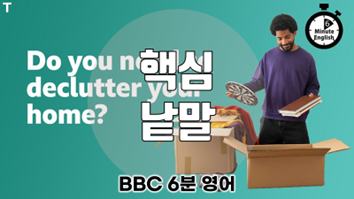
당신은 [당신이 당신의 집에 너무 많은 물건을 갖는] 느낌을 한 번이라도 가져 본 적이 있습니까? 그런데 당신이 몇몇의 그것들을 더 이상 필요로 하지 않습니다. 당신이 clutter를 갖는 것처럼 들립니다. clutter를 줄이는 방식을 찾는 것은 보다 깔끔한 집을 만들어 낼 수 있을 뿐 아니라, 그러나 또한 당신에게 보다 침착한 마음을 줍니다. 닐과 죠지가 이것을 의논합니다. 그리고 당신에게 몇몇의 새로운 어휘를 가르칩니다.
이것은 이번 주제의 주요 내용입니다. 영어 단어를 공부할 때 스토리와 함께 공부하면 크게 도움이 됩니다. 다음은 이번 주에 수록된 주요 단어 목록들입니다.
|
annoy verb ★★★[2552] ← from [씨앗말] annoy(지친[피로한])
[영한] ① 짜증나게[약 오르게] 하다 ② 귀찮게 하다
[굴절형] annoyed, annoyed, annoying, annoys
[유의어] bother(귀찮게 하다), irritate(짜증나게 하다)
<명사> 짜증, 약이 오름 =annoyance.
[어근] ⑴ ann(en); 안에 두다, in, 하게하다 ⑵ oy(odi); 싫어함, hate
[어원] 《프랑스말 enoiier》 지친[피로한], 짜증나다, 화나다
[최초 의미] to harm, hurt, injure; be troublesome or vexatious to, disquiet, upset
[파생] annoyance, annoyer, annoy
[본문] [14]Oh, that's so annoying.
anymore adv. ★★★[2436] ← from [씨앗말] any(하나)
[영한] ① 요즘은, 최근에는 ② 지금은, 이제는, 더 이상
[유의어] any longer(이제는), any more
[구성단어] any + more
[어근] ⑴ an; 하나, one, an ⑵ y; 형용사 어미 ⑶ more(many); many
[어원] 《고대 영어 ænig》 하나, 한 개
[본문] [11]Here is one: "The clutter in my house is actually starting to affect my mental health. I can't think or work anymore, so much so it woke me at 4 a.m. this morning and I felt a strong urge to tidy. I have given myself a week as I cannot take it anymore."
best-selling adj. △[6554] ← from [씨앗말] sell(주다)
[영한] (책/레코드/작가 등이) 베스트셀러의
[구성단어] best + selling
[어원] 《고대 영어 sellan》 주다, 제공하다, 공급하다, 빌려주다; 항복하다, 포기하다; 전달하다; 약속하다
[본문] [25]Decluttering was popularised by Marie Kondo's best-selling 2011 book, The Life-Changing Magic of Tidying Up, and there's still lots of interest today.
bite verb ★★★★[1980] ← from [씨앗말] bite((깨)물다)
[영한] ① (이빨로) 물다[베어 물다] ② (곤충뱀 등이) 물다 ③ (물고기가) 미끼를 물다 ④ 악영향이 나타나다
[굴절형] bit, bitten, biting, bites
<명사> ① 물기, 무는 행위 ② 한 입 ③ 소량의 음식[식사], 요기
[어근] bite; 쓰라린, bitter
[어원] 《고대 영어 bitan》 (깨)물다; 깨물기, 이빨로 깨무는 짓
[최초 의미] to pierce or cut with the teeth"
[파생] biter, bite
[본문] [73]And finally, if you bite off more than you can chew,you try to do something which is too difficult for you.
blaze verb ☆[5534] ← from [씨앗말] blaze
[영한] ① 활활 타다 ② 눈부시게 빛나다[비치다] ③ (화가 나서 눈이) 이글거리다 ④ 대서특필하다 ⑤ (총이) 불을 뿜다, (총을) 쏘아 대다
[굴절형] blazed blazed blazing blazes
<명사> ① (대형) 화재 ② 불길, 활활 타는 불 ③ 휘황찬란한 빛[색], 광휘
[어근] blaze; blaze
[어원] 《고대 영어 blæse》 a torch, firebrand; bright glowing flame
[최초 의미] ① to burst into flame, burn brightly or vigorously ② make public ③ to mark
[본문] [51]You can't go in all guns blazing.
calm adj. ★★★★[2267] ← from [씨앗말] calm(열[햇볕]) 《 caust
[영한] ① 침착한, 차분한 ② (바다가) 잔잔한 ③ (날씨가) 바람이 없는
[굴절형] 비교; calm < calmer < calmest
<명사> ① 평온, 진정 ② 침착함, 차분함 <동사> 진정시키다
[어근] calm(caust); 태우다(타다)
[어원] 《그리스어 kauma》 [from kaiein] heat (of the day)
[최초 의미] windless, without motion or agitation;
[파생] calmly, calm
[본문] [78]Finding ways to reduce clutter can not only result in a tidier home, but can also give you a calmer mind.
chaos noun ★★[4269] ← from [씨앗말] chaos(빈 공간)
[영한] 혼돈, 혼란
[굴절형] 셀 수 없는 명사
[유의어] pandemonium
[어근] chaos; chaos, gas
[어원] 《그리스어 khaos》 빈 공간; 심연, 넓게 열려있는 것, 광대하고 비어있는 것
[최초 의미] gaping void; empty, immeasurable space,
[파생] chaotic, chaotically, chaos
[본문] [36]Our brains are constantly processing our surroundings, so they have to work overtime if they're surrounded by chaos.
cheerful adj. ★★★[3278] ← from [씨앗말] cheer(머리)
[영한] ① 발랄한, 쾌활한 ② 생기를 주는, 쾌적한
[유의어] jaunty
[반의어] solemn
[어근] ⑴ cheer; cheer ⑵ ful; 형용사 어미
[어원] 《그리스어 kara》 머리
[파생] cheerer, cheerful, cheerfully, cheerfulness, cheeringly, cheery, cheer
[본문] [42]Getting rid of clutter makes us feel uplifted - cheerful, happy and more positive.
chew verb ★★★[2618] ← from [씨앗말] chew
[영한] ① (음식을) 씹다 ② (무엇을 계속) 물어뜯다[깨물다]
[굴절형] chewed chewed chewing chews
<명사> ① …을 씹기[깨물기] ② 씹어 먹는 사탕 ③ (한번 먹을 분량의) 씹는 담배
[어근] chew; 씹다, chew
[어원] 《고대 영어 ceowan》 [from West Germanic *keuwwan] to bite, gnaw, chew
[파생] chewable, chewer, chew
[본문] [54]because they've bitten off [too much that] more than they can chew.
clutter noun △[6913] ← from [씨앗말] clutter
[영한] 잡동사니, 어수선함
[굴절형] 셀 수 없는 명사
[유의어] mess
[반의어] monstr
<동사> ① (너무 많은 것들을 어수선하게) 채우다[집어넣다] ② (장소를) 어지르다 ③ (마음을) 혼란스럽게 하다
[어근] ⑴ clut(clot); 엉긴 덩어리, clot ⑵ t; 연결 글자 ⑶ er; 명사 어미
[본문] [6]If your room is filled with heaps of clothes and piles of books, you may have a problem with clutter - things in your home which take up space in an untidy, disorganised way.
cluttered adj.[10000+] ← from [씨앗말] clutter
[영한] 어수선한
[반의어] uncluttered
[구성단어] clutter + ed
[어근] ⑴ clut(clot); 엉긴 덩어리, clot ⑵ t; 연결 글자 ⑶ er; 명사 어미 ⑷ ed; 형용사 어미
[본문] [40]In a cluttered room, our brains work overtime, meaning they work extra hard to make sense of the disorder, leaving us exhausted.
constantly adv. ★★★★[1914] ← from [씨앗말] constant(to stand at/with) 《 st-(서다)
[영한] 끊임없이, 거듭
[어근] ⑴ con(com); together ⑵ st; 상태 ⑶ ant; ~인 (형용사어미) ⑷ ly; 부사어미
[어원] 《라틴어 constare》 [com+stare] to stand at/with; stand firm, stand at a price; to cost
[파생] constancy, constantly, constant
[본문] [36]Our brains are constantly processing our surroundings, so they have to work overtime if they're surrounded by chaos.
cupboard noun ★★[3740] ← from [씨앗말] board(널빤지)
[영한] ① 찬장, 장롱 ② (문이 바닥까지 닿는) 벽장
[구성단어] cup + board
[어근] ⑴ cup; 컵, cup ⑵ board; 판자
[어원] 《고대 영어 bord》 ⑴널빤지, 평평한 표면 ⑵ 테두리, 가장자리, 배의 옆면
[최초 의미] a board or table to place cups and like objects,
[본문] [50]You have to do decluttering slowly but surely: one drawer, one cupboard at a time.
declutter verb △[6582] ← from [씨앗말] clutter
[영한] 잡동사니들을 처리하다
[굴절형] decluttered decluttered decluttering declutters
[구성단어] de + clutter
[어근] ⑴ de(dis); 하지 않기, 不, apart ⑵ clut(clot); 엉긴 덩어리, clot ⑶ t; 연결 글자 ⑷ er; 접미어
[본문] [21]So, we don't have a problem with clutter, but if you do, there's a simple solution: decluttering - or throwing away some of the unused stuff filling our homes.
decluttering noun[10000+] ← from [씨앗말] clutter
[영한] ① 잡동사니 치우기 ② 디클러터링
[구성단어] declutter + ing
[어근] ⑴ de(dis); 하지 않기, 不, apart ⑵ clut(clot); 엉긴 덩어리, clot ⑶ t; 연결 글자 ⑷ er; 접미어 ⑸ ing; 명사 어미
[본문] [25]decluttering was popularised by Marie Kondo's best-selling 2011 book, The Life-Changing Magic of Tidying Up, and there's still lots of interest today.
disorder noun ★★★★[2074] ← from [씨앗말] disorder 《 order(줄[열列])
[영한] ① 엉망, 어수선함 ② (많은 사람들에 의한) 난동[무질서] ③ (신체 기능의) 장애[이상]
[굴절형] 복수형; disorders
[반의어] order, order(정돈)
<동사> ① (질서 등을) 어지럽히다, 혼란시키다, (심신을) 탈나게 하다, 병들게 하다 ② 혼란에 빠지다, 장애[이상]를 일으키다
[구성단어] dis + order
[어근] ⑴ dis; 하지 않기, 不, apart ⑵ order; 질서
[어원] 《라틴어 ordo》 줄[열列], 순위, 계열, 배열; (원래) 베틀에서 실의 열[列]
[파생] disorderly, disorder
[본문] [40]In a cluttered room, our brains work overtime, meaning they work extra hard to make sense of the disorder, leaving us exhausted.
disturb verb ★★★[2610] ← from [씨앗말] disturb 《 turb(혼잡)
[영한] ① (작업/수면 등을) 방해하다 ② (제자리에 있는 것을) 건드리다[흩뜨리다] ③ 불안하게 만들다
[굴절형] disturbed, disturbed, disturbing, disturbs
[어근] ⑴ dis; apart ⑵ turb; 어지럽다, disorder
[어원] 《라틴어 disturbare》 [dis-("completely")+turbare("to disorder, disturb)"] throw into disorder
[최초 의미] to frighten, alarm, break up the tranquility of;
[파생] disturbance, disturber, disturbingly, disturb
[본문] [47]Plus, it can be emotionally disturbing deciding what to keep and what to throw away.
doom noun ☆[4633] ← from [씨앗말] doom
[영한] ① 죽음, 파멸, ② (피할 수 없는) 비운
[굴절형] 셀 수 없는 명사
<동사> 불행한 운명[결말]을 맞게 하다
[어근] doom; 죽음, 파멸, doom
[어원] 《고대 영어 dom》 doom; a law, statute, decree; administration of justice, judgment; justice, equity, righteousness
[파생] doom, doomfully, doomful
[본문] [52]You can't go… and that's what we hear all the time: "This weekend, I'm going to sort out my whole room of doom."
drain verb ★★★[2547] ← from [씨앗말] drain(물기를 짜내다)
[영한] ① 물[액체]을[이] 빼내다[빠지다] ② (액체를[가]) 따라 내다[흘러 나가다] ③ (술 등을 다 마셔서 잔을) 비우다 ④ (힘돈 등을) 빼내 가다[소모시키다]
[굴절형] drained, drained, draining, drains
<명사> ① 배수관 ② (격자 모양의) 배수구 뚜껑 ③ 구멍[배수구]
[어근] dri(drain); 메마른, 가뭄, drought
[어원] 《고대 영어 dreahnian》 물기를 짜내다, 온도를 올려 없애다, 짜내버리다, 짜내다, 불붙이다, 말려버리다, 물기를 걸러내다
[최초 의미] to draw off gradually, as a liquid; remove by degrees; strain out
[파생] drainable, drain
[본문] [37]So, if you feel drained or exhausted at home, it could be your clutter.
dramatically adv. ★★★[2527] ← from [씨앗말] drama(play) 《 dra(짓하다)
[영한] 희곡[연극]적으로, 극적으로
[어근] ⑴ dram(dra); do, act ⑵ atic; 형용사 어미 ⑶ al; 형용사 어미 ⑷ ly; 부사어미
[어원] 《라틴어 drama》 play, drama
[파생] dramatic, dramatically, drama
[본문] [56]It's a mistake to try to declutter everything all at once, with all guns blazing - an idiom meaning to do things dramatically, with lots of energy and enthusiasm.
drawer noun ★★[3933] ← from [씨앗말] draw(끌기)
[영한] ① 서랍 ② 수표 발행인
[구성단어] draw + er
[어근] ⑴ draw; draw ⑵ er; 명사 어미
[어원] 《고대 영어 dragan》 끌기, 끌어당기다, 길게 늘이기
[최초 의미] one who draws (water from a well, etc.); one who pulls, drags, or transports
[본문] [50]You have to do decluttering slowly but surely: one drawer, one cupboard at a time.
efficient adj. ★★★★[2031] ← from [씨앗말] efficient 《 fact(만들다)
[영한] 능률적인, 유능한, 효율적인
[반의어] inefficient(효율적이다)
[어근] ⑴ ef(ex); out ⑵ fic(fac); 만들다, 하다 ⑶ ient(ant); 형용사어미
[어원] 《라틴어 facere》 만들다, 하다
[최초 의미] making, producing immediate effect, active, effective,
[파생] effect, effecter, effectible, effective, effectual, efficiency, efficient, efficiently
[본문] [19]Ah, very efficient!
emotionally adv. ★★★[2620] ← from [씨앗말] emote 《 move(움직이다)
[영한] 감정적으로, 정서적으로
[어근] ⑴ e(ex); out ⑵ mot(mob); to move ⑶ ion; 명사 어미 ⑷ al; 형용사 어미 ⑸ ly; 부사 어미
[파생] emotional, emotionality, emotionally, emotion
[본문] [47]Plus, it can be emotionally disturbing deciding what to keep and what to throw away.
energise verb △[9592] ← from [씨앗말] energy(일) 《 erg(일)
[영한] ① 열기[열정]를 돋우다 ② 활기[기운]를 북돋우다 ③ 동력을 공급하다
[굴절형] energised energised energising energises
[구성단어] energy + ize
[어근] ⑴ en; at, 안에 두다 ⑵ erg; 일하다, work ⑶ ise(ize); 동사 어미
[BRIT] 미국영어 ☞ energize
[어원] 《그리스어 ergon》 일, 초래된 것, 사업, 행동
[파생] furnishing, energise
[본문] [39]And I promise you that when you clear away the stuff that has no purpose in your life, you will feel better, lighter, uplifted, energised!
enthusiasm noun ★★★★[2183] ← from [씨앗말] enthuse 《 theo-(신(神))
[영한] ① 열광, 열정, 열의 ② 열광하는[열정을 쏟는] 대상
[굴절형] 복수형; enthusiasms
[어근] ⑴ en; in ⑵ thus(theo); 신(神) ⑶ iasm(ism); 생각, 이념(명사어미)
[어원] 《그리스어 theos》 신(神)
[최초 의미] divine inspiration, enthusiasm (produced by certain kinds of music, etc.)
[파생] enthuse, enthusiasm, enthusiastic, enthusiastically
[본문] [56]It's a mistake to try to declutter everything all at once, with all guns blazing - an idiom meaning to do things dramatically, with lots of energy and enthusiasm.
episode noun ★★★★[1892] ← from [씨앗말] episode(가는 것[가기]) 《 hode(가는 것[가기])
[영한] ① (사람의 인생/소설 등에서 중요하거나 재미있는) 사건[에피소드] ② (라디오/텔레비전 연속 프로의) 1회 방송분
[굴절형] 복수형; episodes
[유의어] incident
[어근] ⑴ epi; 주위, 위 ⑵ s(eis); 안으로, into ⑶ ode(od); 길(way)
[어원] 《그리스어 hodos》 가는 것[가기], 다니기[놀러가기], 여행, 길, 오솔길, 도로
[최초 의미] commentary between two choric songs in a Greek tragedy
[본문] [8]In fact, clutter was the topic of a recent episode of BBC Radio 4 programme, Woman's Hour.
exhaust verb ★★[3542] ← from [씨앗말] exhaust
[영한] ① 기진맥진하게 만들다 ② 다 써 버리다, 고갈시키다 ③ (어떤 주제에 대해) 샅샅이[철저히] 다루다
[굴절형] exhausted, exhausted, exhausting, exhausts
[유의어] wear out
<명사> ① (자동차 등의) 배기가스 ② 배기관
[어근] ⑴ ex; off ⑵ haust(haur); 당기다, draw
[어원] 《라틴어 exhaurire》 [ex+haurire] draw off, take away, use up, empty
[최초 의미] to draw off or out, to use up completely
[파생] exhaust, exhausted, exhauster, exhaustibility, exhaustible, exhausting, exhaustion, exhaustive, exhaustively, exhaustiveness, exhaustivity
[본문] [37]So, if you feel drained or exhausted at home, it could be your clutter.
exhausting adj.[10000+] ← from [씨앗말] exhaust
[영한] 진을 빼는, 기진맥진하게 만드는
[구성단어] exhaust + ing
[어근] ⑴ ex; off ⑵ haust(haur); draw (water), drain ⑶ ing; 형용사 어미
[어원] 《라틴어 exhaurire》 [ex+haurire] draw off, take away, use up, empty
[파생] exhaust, exhausted, exhauster, exhaustibility, exhaustible, exhausting, exhaustion, exhaustive
[본문] [34]Visual clutter is more exhausting than we realise.
gradual adj. ★★[3555] ← from [씨앗말] grade(움직이다)
[영한] ① 점진적인, 서서히 일어나는 ② (경사가) 완만한
[반의어] sudden
<명사> (가톨릭) (미사 때의) 층계송(層階誦), (성가대용) 미사 가변(可變) 부분 성가집
[구성단어] grade + al
[어근] ⑴ grad(gress); 나아가다, step, go ⑵ ual(al); 형용사 어미
[어원] 《라틴어 gradi》 [gressus의 과거문사] (걸어서) 움직이다, 걷다
[최초 의미] having steps or ridges
[파생] gradually, gradualness, gradual
[본문] [55]When it comes to decluttering your home, it's best to do things slowly but surely - in a gradual but reliable way which will achieve the result you want.
homily noun[10000+] ← from [씨앗말] homily
[영한] 설교, 훈계
[굴절형] 복수형; homilies
[어근] ⑴ hom(homo); 동일한[같은], same ⑵ ily(ile); troop, band, crowd
[어원] 《라틴어 homilia》 [from Greek homilia("conversation, discourse")] 《Church Latin》 a homily, sermon
[본문] [38]I mean, we know that homily 'clear space, clear mind'.
interior noun ★★[3925] ← from [씨앗말] interior
[영한] ① 내부 ② 내륙 ③ (한 국가의) 국내 문제[내정]
[굴절형] 복수형; interiors
[반의어] exterior, exterior
<형용사> 내부의
[어근] ⑴ inter; 사이, 상호, among ⑵ ior(er); 명사 어미
[어원] 《라틴어 interior》 [comparative adjective of inter] inner, interior, middle
[파생] interiority, interiorly, interior
[본문] [32]As well as social media, decluttering has become popular with television shows, including the BBC's interior Design Masters.
listener noun ★★★★[2257] ← from [씨앗말] listen(to listen)
[영한] ① 듣는 사람, 청자 ② (라디오) 청취자
[굴절형] 복수형; listeners
[구성단어] listen + er
[어근] ⑴ listen; 듣다, listen ⑵ er; ~하는 사람(명사어미)
[어원] 《고대 영어 hlysnan》 [from Proto-Germanic *hlusinon] to listen, hear; attend to, obey, pay attention to
[파생] listener, listen
[본문] [9]Here's presenter Nuala McGovern reading a message from one listener:
magic noun ★★★★[2071] ← from [씨앗말] magic
[영한] ① 마법, 마술, 도술 ② (사람들을 즐겁게 하기 위한) 마술 ③ 마력, (믿기 어려울 정도로 특별한) 매력[능력]
[굴절형] 셀 수 없는 명사
[유의어] conjuring(마술), enchantment(매력)
<동사> 요술을 부려서[부리듯] 나타나게[사라지게/바뀌게] 하다 <형용사> ① 마법[마술]의 ② 마력을 발휘하는, 아주 특별한 ③ 아주 멋진[즐거운]
[어근] ⑴ mag; 마법, magic ⑵ ic; …의, 와 같은(것)
[어원] 《그리스어 magikos》 from magos; magical
[최초 의미] art of influencing or predicting events and producing marvels using hidden natural forces; supernatural art
[파생] magic, magical, magically, magician
[본문] [25]Decluttering was popularised by Marie Kondo's best-selling 2011 book, The Life-Changing magic of Tidying Up, and there's still lots of interest today.
master noun ★★★★[1833] ← from [씨앗말] master
[영한] ① (구식) (흔히 하인종의) 주인 ② (…을 자기 마음대로 할 수 있는) 주인 ③ 달인, 명수 ④ (개의) 주인 ⑤ (구식) (특히 사립학교의 남자) 교사[선생님] ⑥ 석사 학위 ⑦ 석사 학위 소지자 ⑧ (상선의) 선장 ⑨ (과거에 살았던) 유명 화가, (회화의) 대가 ⑩ (음반테이프영화 등의) 마스터[원판]
[굴절형] 여성형; mistress 복수형; masters
<동사> ① …을 완전히 익히다, …에 숙달[통달]하다 ② (감정을) 억누르다[참다] ③ (동물사람을) 굴복시키다[제어하다] <형용사> ① (기술이 뛰어난) 일류 제빵사/요리사/석수 등 ② 가장 큰[중요한], 주-
[ABBR] Mr
[어근] master(magistr); chief, director
[어원] 《라틴어 magis》 more
[최초 의미] a man having control or authority over a place; a teacher or tutor of children
[파생] masterdom, masterhood, masterless, masterly, mastership, mastery, master
[본문] [32]As well as social media, decluttering has become popular with television shows, including the BBC's Interior Design masters.
minimalist noun[10000+] ← from [씨앗말] minim 《 min(작게 만든)
[영한] 미니멀리스트
[구성단어] minimal + ist
[어근] ⑴ minim(min); 작은, less, smaller ⑵ al(ad); 형용사어미 ⑶ ist; 접미어
[어원] 《라틴어 minus》 [minor의 중성, 어원; PIE root *mei- ⑵] 작게 만든, 보다 작은, 줄어 들다
[본문] [17]I would describe myself as a minimalist.
neat adj. ★★★[3382] ← from [씨앗말] neat(clean)
[영한] ① 정돈된, 단정한, 말쑥한 ② (사람이) 깔끔한 ③ (작고) 아기자기한[오목조목한] ④ 간단하지만 훌륭한, 깔끔한 ⑤ 뛰어난, 훌륭한 ⑥ (특히 술이) 아무것도 타지 않은
[굴절형] 비교; neat < neater < neatest
[유의어] trim
<부사> 깔끔하게, 말쑥하게, 맵시 있게, 솜씨 있게 <감탄사> 야아, 와.
[어근] neat; neat
[어원] 《라틴어 nitere》 clean, pure, unadulterated; to shine
[최초 의미] clean, free from dirt
[파생] neatly, neatness, neat
[본문] [4]Do you live in a neat and tidy home?
optimistic adj. ★★★[2485] ← from [씨앗말] optimist 《 optim
[영한] 낙관적인, 낙관하는
[유의어] positive(낙관적이다), hopeful, upbeat
[반의어] pessimistic
[어근] ⑴ optim; best ⑵ ist; …하는 사람(명사어미) ⑶ ic; …의(형용사어미)
[어원] 《라틴어 optimus》 the best
[최초 의미] of, pertaining to, or characterized by optimism; disposed to take the most hopeful view of a matter,
[파생] optimist, optimistic, optimistical, optimistically, optimistictically, optimism
[본문] [70]The adjective uplifted means feeling cheerful, happy and optimistic.
organiser noun ☆[5201] ← from [씨앗말] organise 《 organ(기구[장기])
[영한] ① 조직자, 창시자, 창립 위원, 발기인, (흥행의) 주최자, (노동조합의) 조직책 ② 형성체 ③ 분류 서류철, 서류 정리 케이스
[굴절형] 복수형; organisers
[구성단어] organise + er
[어근] ⑴ organ; 시행하다, 도구 기구 ⑵ is(ise); 동사 어미 ⑶ er; 명사 어미
[BRIT] 미국영어 ☞ organizer
[어원] 《라틴어 organum》 기구, 장기[기관], 악기
[본문] [48]But don't worry, says professional organiser and host of The Declutter Club podcast, Ingrid Jansen.
overtime adv. △[8676] ← from [씨앗말] overtime 《 time(얼마의 시간)
[영한] 규정 시간 외에
<명사> ① 초과[시간 외] 근무, 잔업, 야근 ② 초과 근무[잔업/야근] 수당 ③ (美, 스포츠) 상호참조 extra time <동사> …에 너무 많은 시간을 들이다. <형용사> ① 시간 외의, 초과 근무의 ② 규정 시간을 넘은
[구성단어] over + time
[어근] ⑴ over; 너무, over ⑵ time; 시간, time
[어원] 《고대 영어 tima》 얼마의 시간
[본문] [36]Our brains are constantly processing our surroundings, so they have to work overtime if they're surrounded by chaos.
overtime noun △[8676] ← from [씨앗말] overtime 《 time(얼마의 시간)
[영한] ① 초과[시간 외] 근무, 잔업, 야근 ② 초과 근무[잔업/야근] 수당 ③ (美, 스포츠) 상호참조 extra time
[굴절형] 셀 수 없는 명사
<동사> …에 너무 많은 시간을 들이다. <형용사> ① 시간 외의, 초과 근무의 ② 규정 시간을 넘은 <부사> 규정 시간 외에
[구성단어] over + time
[어근] ⑴ over; 너무, over ⑵ time; 시간, time
[어원] 《고대 영어 tima》 얼마의 시간
[본문] [41]Work overtime also often means work longer than your set hours.
physically adv. ★★★[2465] ← from [씨앗말] physic(자연의)
[영한] ① 신체[육체]적으로 ② 자연 법칙에 따라, 물리적으로
[어근] ⑴ physic(physi); 자연, 물리, nature ⑵ ally(ly); 부사 어미
[어원] 《그리스어 physikos》 자연의
[파생] physical, physically, physicalness, physics
[본문] [57]After an hour or two of this, decluttering becomes physically and emotionally exhausting.
pile noun ★★★[2559] ← from [씨앗말] pile(돌 장벽)
[영한] ① (위로 차곡차곡) 포개[쌓아] 놓은 것, 더미 ② (둥그렇게 수북이 쌓여 있는) 무더기[더미] ③ 많은 ~, ~ 무더기[더미] ④ (융단/벨벳 같은 천 윗부분에 짧게 나 있는) 털 ⑤ (건물/다리 등을 지탱하기 위해 박는) 말뚝 ⑥ 웅장한 건물
[굴절형] 복수형; piles
[유의어] heap
<동사> ① (물건을 차곡차곡) 쌓다[포개다] ② (…에 ~을) 쌓다[집어 얹다/넣다] ③ 우르르 가다
[어근] pile(pill); pillar, ball, mass, heap
[어원] 《라틴어 pila》 돌 장벽, 기둥, 교각
[최초 의미] ① mass, heap ② heavy pointed beam ③ soft, raised surface upon cloth
[본문] [6]If your room is filled with heaps of clothes and piles of books, you may have a problem with clutter - things in your home which take up space in an untidy, disorganised way.
plus conj. ★★★★[1858] ← from [씨앗말] plus(더 많이)
[영한] 더욱이, 게다가
[유의어] limb(게다가), and
<명사> ① 이점, 좋은 점, 플러스 ② 플러스[덧셈] 부호(+) <형용사> ① (숫자 뒤에 써서) … 이상의 ② 영상의 ③ 좋은, 플러스가 되는 <전치사> ① 플러스, 더하기 ② …뿐만 아니라, …도 또한
[어근] plus(plu); 많다, more
[어원] 《라틴어 plus》 더 많이, 더 큰 숫자로, 좀더 자주
[본문] [47]plus, it can be emotionally disturbing deciding what to keep and what to throw away.
podcast noun △[6244] ← from [씨앗말] cast(던지다)
[영한] 팟캐스트
[굴절형] 복수형; podcasts
[구성단어] ipod + cast
[어근] ⑴ pod; 아이패드, iPod ⑵ cast; 던지다, cast, throw
[어원] 《고대 노르웨이말 kasta》 to throw
[본문] [48]But don't worry, says professional organiser and host of The Declutter Club podcast, Ingrid Jansen.
popularise verb △[9574] ← from [씨앗말] popul(사람)
[영한] ① 많은 사람들에게 알리다, 대중화하다 ② (어려운 주제를 대중이 알기 쉽게 하여) 보급하다[대중화하다]
[굴절형] popularised popularised popularising popularises
[구성단어] popular + ize
[어근] ⑴ popul; 사람, 대중, people ⑵ ar; ~하는(형용사어미) ⑶ ise(ize); 동사 어미
[BRIT] 미국영어 ☞ popularize
[어원] 《라틴어 populus》 사람, 나라; 시민들의 몸; 무리, 군중, 인파
[본문] [25]Decluttering was popularised by Marie Kondo's best-selling 2011 book, The Life-Changing Magic of Tidying Up, and there's still lots of interest today.
presenter noun △[6182] ← from [씨앗말] present 《 pres(앞에 있다)
[영한] ① (라디오/텔레비전 프로 각 부분의) 진행자[사회자] ② (특정 주제에 대한) 발표자 ③ (시상식에서) 시상하는 사람
[굴절형] 복수형; presenters
[구성단어] present + er
[어근] ⑴ present(pres); 앞에 있다, be before ⑵ er; ~하는 사람(명사어미)
[어원] 《라틴어 present》
[최초 의미] one who presents
[본문] [9]Here's presenter Nuala McGovern reading a message from one listener:
quiz noun ★★[3953] ← from [씨앗말] quiz
[영한] ① 퀴즈 ② (학생들에게 하는 비공식적인간단한) 시험[테스트]
[굴절형] 복수형; quizzes
<동사> ① (많은) 질문을 하다, 심문하다 ② (학생들에게 비공식적으로간단히) 시험을 치다[테스트를 하다]
[어근] quiz; quiz
[어원] 《라틴어 qui es》 who are you?
[파생] quizzable, quizzer, quiz
[본문] [23]And remember, you can find all the vocabulary for this programme, along with a quiz and worksheet, on our website, bbclearningenglish.com.
rarely adv. ★★★★[2359] ← from [씨앗말] rare
[영한] 드물게, 좀처럼 …하지 않는
[유의어] hardly, seldom
[어근] ⑴ rare; 드문, 귀한, rare ⑵ ly; 부사어미
[어원] 《라틴어 rarus》 thinly sown, having a loose texture; not thick; having intervals between, full of empty spaces
[파생] rare, rarefy, rarely, rareness, rarity
[본문] [45]So, why do many of us find it hard to throw stuff away, even things we rarely use?
realise verb ★★★[2501] ← from [씨앗말] realize(실제의) 《 real(실제의)
[영한] ① 깨닫다, 알아차리다, 인식[자각]하다 ② (목표 등을) 실현[달성]하다 ③ (수동형으로 쓰여) (우려 등이) 현실이 되다[실제로 발생하다] ④ (자산을) 실현하다[현금화하다] ⑤ (상품 등이) (특정한 금액에) 팔리다 ⑥ (글로 된 정보/지시 등에 기반하여 음향/연극/디자인 등을) 실현하다[만들어 내다]
[굴절형] realised, realised, realising, realises
[유의어] make, convert
[구성단어] real + ize
[어근] ⑴ real; 사실, real ⑵ ise(ize); 동사 어미
[BRIT] 미국영어 ☞ realize
[어원] 《라틴어 realis》 실제의, 사물 그 자체인
[파생] real, realisable, realisably, realisation, realiser, reality, realizable, realizably, realization, realize, realizer, really, realness, realise
[본문] [34]Visual clutter is more exhausting than we realise.
reliable adj. ★★★★[2140] ← from [씨앗말] rely 《 lig(묶다)
[영한] ① 믿을[신뢰할] 수 있는 ② (옳을 것으로) 믿을 만한
[유의어] dependable(믿을 수 있다), trustworthy(신뢰할 수 있다)
[반의어] unreliable
[구성단어] rely + able
[어근] ⑴ re; intensive prefix ⑵ li(lig); 묶다 ⑶ able; 형용사 어미
[어원] 《라틴어 religare》 [re+ligare] to bind back
[파생] reliability, reliableness, reliably, reliable
[본문] [55]When it comes to decluttering your home, it's best to do things slowly but surely - in a gradual but reliable way which will achieve the result you want.
rid verb ★★★★[2064] ← from [씨앗말] rid
[영한] ① (…에게서) 없애다, 제거[구축]하다, (…으로부터) 자유롭게 하다, 면하게 하다 ② 면하다, 벗어나다 ③ 구(救)하다, 해방하다
[유의어] free
[어근] rid; clear, rid
[어원] 《고대 노르웨이말 ryðja》 to clear (land) of obstructions
[최초 의미] clear (a space); set free, save
[본문] [42]Getting rid of clutter makes us feel uplifted - cheerful, happy and more positive.
surrounding noun ★★★[3359] ← from [씨앗말] surround 《 und(파도)
[영한] 사방의 상황, 환경, 주위(environment) , 부근, 변두리.
[굴절형] 복수형; surroundings
<형용사> 인근의, 주위의
[구성단어] surround + ing
[어근] ⑴ surr(super); 위, over, beyond ⑵ ound(und); 파도, wave ⑶ ing; 형용사 어미
[어원] 《라틴어 unda》 파도, 물결 구름
[파생] surrounding, surround
[본문] [36]Our brains are constantly processing our surroundings, so they have to work overtime if they're surrounded by chaos.
tidy adj. ★★★[2730] ← from [씨앗말] tide
[영한] ① (모양새가) 깔끔한, 잘 정돈된 ② (성질 등이) 깔끔한 ③ (액수가) 꽤 많은[상당한]
[굴절형] 비교; tidy < tidier < tidiest
[유의어] considerable(꽤 많다)
[반의어] untidy(잘 정돈되다)
<명사> [특히 합성어에서] 정리함 <동사> (up) 정돈[정리]하다
[구성단어] tide + y
[어근] ⑴ tid(tide); tide ⑵ y; 형용사 어미
[어원] 《고대 영어 tid》 time, period, era; , point or portion of time, due time, season; , feast-day, canonical hour
[최초 의미] in good condition, healthy,
[파생] tidily, tidiness, tidy
[어원이야기] 영어 단어 tide(밀물과 썰물)와 tidy(깔끔한) ? 어원은 같은데 왜 뜻이 달라졌을까?
[본문] [4]Do you live in a neat and tidy home?
tidy verb ★★★[2730] ← from [씨앗말] tide
[영한] (up) 정돈[정리]하다
[굴절형] tidied, tidied, tidying, tidies
<명사> [특히 합성어에서] 정리함 <형용사> ① (모양새가) 깔끔한, 잘 정돈된 ② (성질 등이) 깔끔한 ③ (액수가) 꽤 많은[상당한]
[구성단어] tide + y
[어근] ⑴ tid(tide); tide ⑵ y; 형용사 어미
[어원] 《고대 영어 tid》 time, period, era; , point or portion of time, due time, season; , feast-day, canonical hour
[최초 의미] to make neat, set in order
[파생] tidily, tidiness, tidy
[어원이야기] 영어 단어 tide(밀물과 썰물)와 tidy(깔끔한) ? 어원은 같은데 왜 뜻이 달라졌을까?
[본문] [11]Here is one: "The clutter in my house is actually starting to affect my mental health. I can't think or work anymore, so much so it woke me at 4 a.m. this morning and I felt a strong urge to tidy. I have given myself a week as I cannot take it anymore."
untidy adj. △[9713] ← from [씨앗말] tide
[영한] ① 단정치 못한, 어수선한 ② (사람이) 깔끔하지 못한, 정리를 잘 안 하는
[굴절형] 비교; untidy < untidier < untidiest
[반의어] tidy, tidy(잘 정돈되다)
<동사> …을 어지럽히다
[구성단어] un + tidy
[어근] ⑴ un; 아님(不, 無), not ⑵ tid(tide); tide ⑶ y; 형용사 어미
[어원] 《고대 영어 tid》 time, period, era; , point or portion of time, due time, season; , feast-day, canonical hour
[파생] untidily, untidiness, untidy
[본문] [6]If your room is filled with heaps of clothes and piles of books, you may have a problem with clutter - things in your home which take up space in an untidy, disorganised way.
unused adj. △[8697] ← from [씨앗말] unused 《 use(쓰다)
[영한] (현재) 쓰지[사용하지] 않는, 한 번도 사용되지 않은[쓴 적이 없는]
[구성단어] un + used
[어근] ⑴ un; not ⑵ use; use ⑶ ed; 과거분사 어미
[어원] 《라틴어 usare》 (자꾸) 쓰다
[본문] [21]So, we don't have a problem with clutter, but if you do, there's a simple solution: decluttering - or throwing away some of the unused stuff filling our homes.
uplifted adj.[10000+] ← from [씨앗말] uplifted 《 lift(to raise)
[영한] ① 희망에 찬, 행복해 하는 ② 위로 올려진
[구성단어] up + lifted
[어근] ⑴ up; 위, up ⑵ lift; 올리다, raise, lift ⑶ ed; 형용사 어미
[어원] 《고대 노르웨이말 lypta》 올리다
[본문] [39]And I promise you that when you clear away the stuff that has no purpose in your life, you will feel better, lighter, uplifted, energised!
urge noun ★★★★[2185] ← from [씨앗말] urge(to press hard)
[영한] (강한) 욕구, 충동
[굴절형] 복수형; urg·es
[유의어] compulsion
<동사> ① (…하도록) 충고하다[설득하려 하다] ② 강력히 권고[촉구]하다 ③ (사람동물을) 재촉하다[재촉하며 몰다]
[어근] urge(urg); to press hard
[어원] 《라틴어 urgere》 to press hard, push forward, force, drive, compel, stimulate
[최초 의미] act of urging
[파생] urge, urgency, urgent, urgently
[본문] [11]Here is one: "The clutter in my house is actually starting to affect my mental health. I can't think or work anymore, so much so it woke me at 4 a.m. this morning and I felt a strong urge to tidy. I have given myself a week as I cannot take it anymore."
visual adj. ★★★★[1855] ← from [씨앗말] visual 《 vide(보다)
[영한] 시각의, (눈으로) 보는
<명사> 시각 자료
[어근] ⑴ visu(vide); sight ⑵ al; 형용사어미
[어원] 《라틴어 valva》 보다, 주시하다, 구분하다
[최초 의미] pertaining to the faculty of sight
[파생] vision, visional, visionary, visionless, visual, visualize, visually
[본문] [34]visual clutter is more exhausting than we realise.
website noun ★★★[2472] ← from [씨앗말] website(woven fabric) 《 site(장소)
[영한] 웹사이트(기업/단체/개인이 정보를 올릴 수 있는 홈페이지)
[굴절형] 복수형; websites
[구성단어] web + site
[어근] ⑴ web; 거미줄, web ⑵ site; 위치, 직위, place, position
[어원] 《고대 영어 webb》 woven fabric, woven work, tapestry
[본문] [23]And remember, you can find all the vocabulary for this programme, along with a quiz and worksheet, on our website, bbclearningenglish.com.
worksheet noun △[6366] ← from [씨앗말] worksheet 《 sheet(옷 길이)
[영한] ① (학습용) 연습 문제지[평가지] ② 작업 계획표[진행표] ③ 워크시트
[굴절형] 복수형; worksheets
[구성단어] work + sheet
[어근] ⑴ work; 일하다, work ⑵ sheet; sheet
[어원] 《고대 영어 sciete》 옷 길이, 덮기, 내프킨, 수건, 감추는 것
[본문] [23]And remember, you can find all the vocabulary for this programme, along with a quiz and worksheet, on our website, bbclearningenglish.com.
이 블로그에는 [BBC 6분 영어와 관련하여 매주 다음과 같은 글들이 게시 됩니다
- 단어공부(금주 대본에 나온 주요 어휘) 이 글입니다
- 멀티단어공부(금주 대본에 사용된 멀티단어(구동사, 숙어) 간단 정리) 이 글의 포스팅 시점에는 아직 작성되지 않았습니다.
- 독해공부(금주 대본의 문장별 해석(직역) 자료) 이 글의 포스팅 시점에는 아직 작성되지 않았습니다.
- 문장별 문법공부(문장별 문법 설명) 이 글의 포스팅 시점에는 아직 작성되지 않았습니다.
- 금주의 어휘(금주 대본에 나온 금주의 어휘를 집중적으로 정리한 자료) 이 글의 포스팅 시점에는 아직 작성되지 않았습니다.
- 항목별 문법공부(금주 대본에 나온 문법을 주제별/항목별로 정리한 자료) 이 글의 포스팅 시점에는 아직 작성되지 않았습니다.
- 금주의 구동사(금주 대본에 사용된 구동사 상세 정리) 이 글의 포스팅 시점에는 아직 작성되지 않았습니다.
- 금주의 PDF(금주의 PDF 및 기타 다운로드 파일) https://softca.tistory.com/3242
금주의 PDF 파일은 이곳을 클릭하세요.
새내기할배의 [영어단어공부]자료를 처음 보시는 분은 <다음> 링크를 클릭하셔서 BBC Learning English 6 Minute English [공부법]을 먼저 보시기 바랍니다
https://softca.tistory.com/4?category=827780
본 글은 Word Frequency 기준 1800순위 이하를 제외한 단어만을 수록하고 있습니다.
본 자료는 PDF 파일로 다운 받을 수 있습니다.
새내기할배 블로그가 제안하는 영어단어 암기법은 기본적으로 문장을 통해 암기하는 것입니다. 그래서 설명하는 모든 단어마다 본문도 함께 제시됩니다. 그러나 새로 나온다고 해서 모든 단어를 무한정 암기할 수는 없습니다. 그래서 암기해야 해야 할 단어와 이해만 하고 넘어갈 단어를 구분하는 지혜가 필요합니다.
6 Minute English는 BBC Learning English 사이트에서 매주 출간하는 무료 영어 교육 콘텐츠이며 오디오 파일과 대본(Script) 파일을 제공합니다.