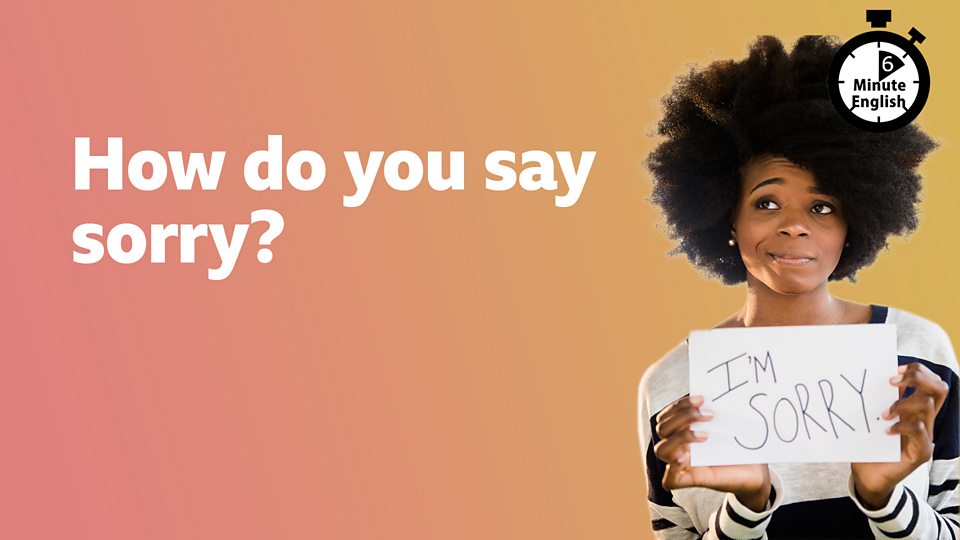
When was the last time you had to apologise to somebody? Do you remember how you did it? People say sorry in different ways, depending on their culture. But have you ever had to apologised to a King...? Neil and Beth discuss this and teach you some new vocabulary.
당신이 어떤 사람에게 사과해야만 했던 마지막 시간은 언제입니까? 당신은 [당신이 그것을 어떻게 했는지] 기억합니까? 사람들은 그들의 문화에 따라 다른 방법으로 'sorry'를 말합니다. 그러나 당신은 왕에게 사과해 본적이 있습니까? 닐과 베스는 이것을 논의합니다. 그리고 당신에게 몇몇의 새로운 어휘를 가르칩니다.
이것은 이번 주제의 주요 내용입니다. 영어 단어를 공부할 때 스토리와 함께 공부하면 크게 도움이 됩니다. 다음은 이번 주에 수록된 주요 단어 목록들입니다.
|
accidentally adv. ★★[4185] ← from [씨앗말] accident 《 cad(떨어지다)
[영한] 우연히, 뜻하지 않게(by chance), 잘못하여
[어근] ⑴ ac(ad); toward ⑵ cid(cad); to fall ⑶ ent(ant); 형용사어미 ⑷ al; 형용사어미 ⑸ ly; 부사어미
[어원] 《라틴어 cadere》 떨어지다
[파생] accident, accidental, accidentality, accidentally, accidentalness
[본문] [10]Well, apologising depends on what you've done, so 'sorry' is fine if you accidentally step on someone's toes, like you did this morning, Beth.
apologise verb △[6518] ← from [씨앗말] apology 《 log(~을 다루는[까닭])
[영한] 사과하다
[굴절형] apologised apologised apologising apologises
[구성단어] apology + ise
[어근] ⑴ apo; off, from, away ⑵ log; 말, word, 학문 ⑶ ise(ize); 동사 어미
[어원] 《영어 apology》
[본문] [10]Well, apologising depends on what you've done, so 'sorry' is fine if you accidentally step on someone's toes, like you did this morning, Beth.
apology noun ★★[3503] ← from [씨앗말] apology 《 log(~을 다루는[까닭])
[영한] ① 사과 ② (회의에 불참하거나 거기서 일찍 자리를 떠야 할 경우에 하는) 양해를 구하는 말
[굴절형] 복수형; apologies
[어근] ⑴ apo; off, from, away ⑵ logy(log); 말, word, 학문
[어원] 《그리스어 logos》 ~을 다루는; 까닭[이유], 생각[아이디어], 말[단어]
[최초 의미] defense, justification
[파생] apologetic, apologiser, apologize, apologizer, apology
[본문] [32]I would say that Pakistanis generally - they're not really expressive, and we're also very cheeky so what we generally do is we would slide an apology in the middle of a conversation, and then very quickly move on to a new topic so that we don't have to, sort of, be very upfront about it.
bow verb △[8502] ← from [씨앗말] bow(구부리다)
[영한] ① (허리를 굽혀) 절하다 ② (고개를) 숙이다 ③ 휘다, 굽다
[굴절형] bowed, bowed, bowing, bows
<명사> ① 절, (고개 숙여 하는) 인사 ② 뱃머리, 이물
[어근] bow;
[어원] 《고대 영어 bugan》 구부리다
[최초 의미] to bend, become bent, have or assume a curved direction; to bow down, bend the body in condescension or reverence, to submit; to turn back
[본문] [24]a) offer a gift, b) pull their earlobes, or c) bow down?
bow verb[10000+] ← from [씨앗말] bow
[영한] (바이올린 등을) 활로 연주하다[켜다]
<명사> ① 활 ② 곡선, 커브 ③ (리본 등의) 나비매듭, 나비매듭 리본, 나비넥타이
[어근] bow; 활, bow
[어원] 《고대 영어 boga》 archery bow; anything bent or arched, an arch, a rainbow
[최초 의미] to have or assume the form of a bow
[본문] [25]Ooh, I am going to guess c) bow down.
cheeky adj. △[6902] ← from [씨앗말] cheek
[영한] 건방진, 까부는
[유의어] funny
[구성단어] cheek + y
[어근] ⑴ cheek; 볼, 뺨, cheek ⑵ y; 형용사 어미
[어원] 《영어 cheek》 insolence
[파생] cheekless, cheeky, cheek
[본문] [32]I would say that Pakistanis generally - they're not really expressive, and we're also very cheeky so what we generally do is we would slide an apology in the middle of a conversation, and then very quickly move on to a new topic so that we don't have to, sort of, be very upfront about it.
complicated adj. ★★★★[1862] ← from [씨앗말] complicate 《 plic(접다)
[영한] 복잡한
[유의어] complex, intricate(복잡하다)
[반의어] uncomplicated
[구성단어] complicate + ed
[어근] ⑴ com; together ⑵ plic; 접은, fold ⑶ at(ate); 동사어미 ⑷ ed; 과거분사/형용사 어미
[어원] 《라틴어 plicare》 접다, 짜다[역다]
[파생] complicatedly, complicatedness, complicated
[본문] [45]Korea has a complicated honorific system dictating how people above you in the social order should be addressed.
criticise verb ★★[3972] ← from [씨앗말] critic 《 crit(구분짓다)
[영한] ① 비판[비난]하다 ② 비평하다 1. 비평[비판, 평론]하다
[굴절형] criticised criticised criticising criticises
[유의어] blame
[반의어] praise
[어근] ⑴ crit; judge, separate ⑵ ic; …의, 와 같은(것) ⑶ ise(ize); …(의 상태)로 만들다
[BRIT] 미국영어 ☞ criticize
[어원] 《그리스어 krinein》 구분짓다[나누다], 결정하다
[최초 의미] to pass judgment (usually unfavorable) on something
[파생] critic, critical, critically, criticisable, criticiser, criticisingly, criticism, criticizable, criticize, criticizer, criticizingly, crisis, criticise
[본문] [11]But what if you do something really serious, like the Ghanaian journalist, Afia Pokua, who publicly criticised the King of the Ashanti tribe?
dictate verb ★★[4474] ← from [씨앗말] dictate 《 dict(말하다)
[영한] ① 받아쓰게 하다, 구술하다 ② (특히 듣는 사람이 기분 나쁘게) 지시[명령]하다 ③ …을 좌우하다, …에 영향을 주다
[굴절형] dictated, dictated, dictating, dictates
[유의어] determine(좌우하다)
<명사> (따라야 하는) 명령[요구/규칙]
[어근] ⑴ dict(dic); 말, say ⑵ ate; 동사 어미
[파생] dictate, dictation, dictational, dictatorial, dictatorially, dictatorialness, dictator
[본문] [45]Korea has a complicated honorific system dictating how people above you in the social order should be addressed.
divide verb ★★★★[1816] ← from [씨앗말] divide(나누다) 《 vide(보다)
[영한] ① (여러 부분들로) 나뉘다[갈라지다], 나누다[가르다] ② (몫을) 나누다 ③ (시간에너지 등을) 쪼개 쓰다 ④ A와 B를 갈라놓다 ⑤ (경계선이) 나누다[가르다] ⑥ (도로가) 나뉘다[갈라지다] ⑦ (사람들을) 분열시키다 ⑧ (~을) ~으로 나누다 ⑨ (~을) ~으로 나뉘다
[굴절형] divided, divided, dividing, divides
[유의어] separate, split, split up
<명사> ① (사람들의 집단을 구분하는) 차이점 ② (두 물줄기를 가르는) 분수계
[구성단어] dis + vide
[어근] divide(divid); 분할, 나누다, divide
[어원] 《라틴어 dividere》 [dis+videre 합성어] 나누다
[최초 의미] separate into parts or pieces
[파생] dividable, divide, divisional, divisionally, divisionary, division
[본문] [29]Her comments divided opinion in Ghana, but eventually Afia decided to say sorry to the King, following strict traditional rules, that she dress in black and apologise kneeling down on her knees.
earlobe noun[10000+] ← from [씨앗말] lobe
[영한] 귓불
[구성단어] ear + lobe
[어근] ⑴ ear; 귀, ear ⑵ lobe; lobe
[어원] 《고대 영어 earlæppa》 external ear
[본문] [24]a) offer a gift, b) pull their earlobes, or c) bow down?
Easter noun ★★[4111] ← from [씨앗말] Easter 《 east(동쪽)
[영한] ① 부활절 ② 부활절 기간
[굴절형] 복수형; Easters
[어근] ⑴ east; 동쪽, east ⑵ er; 명사 어미
[어원] 《고대 영어 Eostre》 Anglo-Saxon goddess of the dawn
[본문] [33]In Russia, we also have a tradition called Forgiveness Sunday, which happens on the last Sunday before Easter.
episode noun ★★★★[1892] ← from [씨앗말] episode(가는 것[가기]) 《 hode(가는 것[가기])
[영한] ① (사람의 인생/소설 등에서 중요하거나 재미있는) 사건[에피소드] ② (라디오/텔레비전 연속 프로의) 1회 방송분
[굴절형] 복수형; episodes
[유의어] incident
[어근] ⑴ epi; 주위, 위 ⑵ s(eis); 안으로, into ⑶ ode(od); 길(way)
[어원] 《그리스어 hodos》 가는 것[가기], 다니기[놀러가기], 여행, 길, 오솔길, 도로
[최초 의미] commentary between two choric songs in a Greek tragedy
[본문] [19]Well, that's what we'll be finding out in this episode, along with some useful new words and phrases.
expressive adj. △[6709] ← from [씨앗말] express(ex+pressare) 《 press(누르다)
[영한] ① (생각/감정을) 나타내는, 표정[표현력]이 있는 ② 격식 [명사 앞에는 안 씀] ~을 나타내는[보여 주는]
[유의어] lyrical
[구성단어] express + Ive
[어근] ⑴ ex; out ⑵ press; to press, push ⑶ ive; 형용사 어미
[어원] 《라틴어 expressare》 ex+pressare; frequentative of exprimere;
[파생] express, expresser, expressible, expression, expressional, expressionless, expressionlessly, expressive, expressively, expressiveness, expressly
[본문] [32]I would say that Pakistanis generally - they're not really expressive, and we're also very cheeky so what we generally do is we would slide an apology in the middle of a conversation, and then very quickly move on to a new topic so that we don't have to, sort of, be very upfront about it.
forgive verb ★★★[2832] ← from [씨앗말] forgive(give) 《 give(주다)
[영한] ① 용서하다 ② … (…해서) 죄송합니다 ③ (은행/국가 등이) (빚을) 탕감하다
[굴절형] forgave, forgiven, forgiving, forgives
[구성단어] for + give
[어근] ⑴ for; 금지, 제외, completely ⑵ give; 주다, give
[어원] 《고대 영어 forgiefan》 [for-⑵+giefan] give, grant, allow; remit a debt), pardon an offense)
[파생] forgivable, forgivably, forgive, forgiveness
[본문] [5]In formal situations you could say, "Please forgive me," while to a friend you might say, "My bad."
forgiveness noun △[9835]
[영한] 용서
[굴절형] 셀 수 없는 명사
[구성단어] forgive + ness
[어근] ⑴ for; 금지, 제외, completely ⑵ give; 주다, give ⑶ ness; 명사 어미
[어원] 《고대 영어 giefan》 주다, 수여하다, 누구에게 전하다; 할당하다, 승인하다; 저지르다, 바치다, 맡기다
[파생] forgivable, forgivably, forgive, forgiveness
[본문] [33]In Russia, we also have a tradition called forgiveness Sunday, which happens on the last Sunday before Easter.
formal adj. ★★★★[1841] ← from [씨앗말] formal(모양[형상]) 《 form(모양[형상])
[영한] ① (복장/말투/글/행동 등이) 격식을 차린, 정중한 ② 공식적인, 정식의, 의례를 갖춘 ③ (교육/훈련이) 정규적인 ④ 형식상의, 형식적인 ⑤ (정원/방/건물이) 일정한 양식[계획]에 따른
[반의어] informal
[구성단어] form + al
[어근] ⑴ form; 형태, form ⑵ al; 형용사 어미
[어원] 《라틴어 forma》 모양[형상]
[파생] form, formability, formable, formably, formal, formality, formalize, formally, formalness, formation, formative
[본문] [5]In formal situations you could say, "Please forgive me," while to a friend you might say, "My bad."
gift noun ★★★★[2120] ← from [씨앗말] gift(to give) 《 give(주다)
[영한] ① 선물, 기증품 ② 재능, 재주 ③ (하기가 아주 쉽거나 값이 아주 싸서) 거저나 다름없는 것
[굴절형] 복수형; gifts
[유의어] talent, present
<동사> 거저[공짜로] 내주다
[어근] gift(give); 주다, give
[어원] 《고대 영어 giefan》 주다, 수여하다, 누구에게 전하다; 할당하다, 승인하다; 저지르다, 바치다, 맡기다
[최초 의미] that which is given
[파생] giftless, gift
[본문] [24]a) offer a gift, b) pull their earlobes, or c) bow down?
highlight verb ★★★★[2085] ← from [씨앗말] highlight 《 light(빛나는)
[영한] ① (특히 사람들이 더 많은 관심을 기울이도록) 강조하다 ② (텍스트컴퓨터 화면 등에) 하이라이트[강조] 표시를 하다 ③ (머리카락 일부를 더 밝은 색으로) 부분 염색하다
[굴절형] highlighted, highlighted, highlighting, highlights
[유의어] spotlight
<명사> ① 하이라이트, 가장 좋은[흥미로운] 부분 ② (머리의) 부분 염색한 부분 ③ (그림사진의) 하이라이트[밝은/연한 부분]
[구성단어] high + light
[어근] ⑴ high; 높은, high ⑵ light; 빛, 가벼운, light
[어원] 《고대 영어 leoht》 ⑴ [=leht] (엥글로어語) 빛나는, 밝은, 아름다운, 빛이 나는, 많은 빛을 갖는; ⑵ 무겁지 않은, 실제 무게가 거의 없는, 무게가 가벼운, 가볍게 만들어진; 하기 쉬운 , 사소한; 빠르고 민첩한
[본문] [17]The phrase, it's not every day that, highlights that what's happened is very unusual.
honorific adj.[10000+] ← from [씨앗말] honorific
[영한] 존경을 나타내는, 경칭의
[구성단어] honorary
[어근] ⑴ honor; 존경, 명예, esteem ⑵ i(ary); 접미어 ⑶ fic; 접미어
[파생] honorifical, honorifically, honorific
[본문] [35]In Korea, the way of saying sorry varies depending on the relationship between the speaker and the listener, due to the complex honorific system in the language.
honour noun △[9705] ← from [씨앗말] honour
[영한] ① 존경, 공경 ② 영광 ③ 도의심 ④ 명예, 명망 ⑤ ~에 명예가 되는 사람[것] ⑥ (공적을 기리기 위해 수여하는) 훈장[작위 등] ⑦ [흔히 형용사로 쓰여] (대학의) 고급반 강좌, (학교의) 우등반 ⑧ 우수한 성적, 우등 ⑨ (판사에게 말을 하거나 그를 가리킬 때 경칭으로 써서) 판사님, (미국에서) 시장님 ⑩ 최고 패, 으뜸 패
[굴절형] 복수형; honours
[유의어] privilege
<동사> ① (~으로) ~에게 영광을 베풀다 ② (공적을 기려 훈장작위 등을) 수여하다 ③ (합의약속을) 지키다
[어근] honour(honor); 존경, 명예, esteem
[BRIT] 미국영어 ☞ honor
[파생] honorer, honorless, honourer, honourless, honor, honour
[본문] [46]Honorific means showing respect and honour to someone.
intention noun ★★★★[1895] ← from [씨앗말] intent 《 tend(늘이다[길게 하다])
[영한] 의사, 의도, 목적
[굴절형] 복수형; intentions
[유의어] intent(의도)
[구성단어] intent + ion
[어근] ⑴ in; in, at ⑵ tent(tend); 뻗치다, 잡아당기다, stretch ⑶ ion; 명사어미
[어원] 《라틴어 intendere》 [in+tendere] stretch out, extend; turn one's attention, strain (in quest of something), be zealous
[최초 의미] purpose, design, aim or object; will, wish, desire, that which is intended
[파생] intend, intender, intent, intention, intentional, intentionality, intentionally
[본문] [41]If you're upfront about something, you speak openly about it, so everyone knows your feelings and intentions.
kneel verb △[7875] ← from [씨앗말] knee
[영한] (down) 무릎을 꿇다
[굴절형] kneeled knelt, kneeled knelt, kneeling, kneels
[어근] ⑴ knee; 무픞, knee ⑵ l(lian); 동사형 접미사
[어원] 《고대 영어 cneowlian》 to kneel, fall on the knees
[파생] knee, kneel, kneelingly
[본문] [29]Her comments divided opinion in Ghana, but eventually Afia decided to say sorry to the King, following strict traditional rules, that she dress in black and apologise kneeling down on her knees.
listener noun ★★★★[2257] ← from [씨앗말] listen(to listen)
[영한] ① 듣는 사람, 청자 ② (라디오) 청취자
[굴절형] 복수형; listeners
[구성단어] listen + er
[어근] ⑴ listen; 듣다, listen ⑵ er; ~하는 사람(명사어미)
[어원] 《고대 영어 hlysnan》 [from Proto-Germanic *hlusinon] to listen, hear; attend to, obey, pay attention to
[파생] listener, listen
[본문] [35]In Korea, the way of saying sorry varies depending on the relationship between the speaker and the listener, due to the complex honorific system in the language.
offend verb ★★★[2635] ← from [씨앗말] offend(to hit) 《 fend(치다[부딪다])
[영한] ① 기분 상하게[불쾌하게] 하다 ② 불쾌하게 여겨지다 ③ 범죄를 저지르다 ④ (도덕 등에) 위배되다[어긋나다]
[굴절형] offended, offended, offending, offends
[어근] ⑴ of(ob); 반대, to ⑵ fend; 치다, strike
[어원] 《라틴어 offendere》 [ob+fendere] to hit, thrust, or strike against; to stumble, commit a fault, displease, trespass against, provoke
[최초 의미] to disobey or sin against (a person, human or divine)(obsolete)
[파생] offence, offenceless, offend, offender, offending, offense, offenseless, offensive, offensively, offensiveness
[본문] [16]The presenter says, "It's not every day that you offend a king."
openly adv. ★★★[3115] ← from [씨앗말] open
[영한] 터놓고, 드러내 놓고, 솔직하게
[구성단어] open + ly
[어근] ⑴ open; 열다, open ⑵ ly; 부사 어미
[어원] 《고대 영어 open》 not closed down, raised up
[파생] openable, openly, openness, open
[본문] [41]If you're upfront about something, you speak openly about it, so everyone knows your feelings and intentions.
palace noun ★★★[2817] ← from [씨앗말] palace
[영한] ① 궁전 ② (특히 영국의) 왕실 ③ 대궐 같은 집, 대저택 ④ 팰리스(호텔/극장 같은 대규모 공공건물)
[굴절형] 복수형; palaces
[어근] palace; 궁전, palace
[어원] 《라틴어 palatium》 [from Mons Palatinus] the Palatine hill
[최초 의미] official residence of an emperor, king, queen, archbishop, etc.,
[파생] palatial, palace
[본문] [15]Recently in Ghana, a journalist made some comments on television about the King of the Ashanti tribe, and soon she found herself at his palace apologising.
playful adj. △[9329] ← from [씨앗말] play
[영한] ① 장난기 많은, 놀기 좋아하는 ② (말/행동 등이) 장난으로 한, 농담의
[유의어] light-hearted
[구성단어] play + ful
[어근] ⑴ play; 놀다, play ⑵ ful; 형용사 어미
[어원] 《고대 영어 plegan》 move rapidly, occupy or busy oneself, exercise; frolic; make sport of, mock; perform music
[파생] playable, playful, playfully, playfulness, play
[본문] [39]Rather, he says, Pakistanis tend to be cheeky, an adjective meaning slightly rude but in a funny, playful way.
presenter noun △[6182] ← from [씨앗말] present 《 pres(앞에 있다)
[영한] ① (라디오/텔레비전 프로 각 부분의) 진행자[사회자] ② (특정 주제에 대한) 발표자 ③ (시상식에서) 시상하는 사람
[굴절형] 복수형; presenters
[구성단어] present + er
[어근] ⑴ present(pres); 앞에 있다, be before ⑵ er; ~하는 사람(명사어미)
[어원] 《라틴어 present》
[최초 의미] one who presents
[본문] [16]The presenter says, "It's not every day that you offend a king."
publicly adv. ★★★[2516] ← from [씨앗말] public(blend of poplicus) 《 publ(대중의)
[영한] 공공연하게, 공개적으로, 공적으로, 여론에 의해, 정부에 의해
[구성단어] public + ly
[어근] ⑴ publ; of the people ⑵ ic; …의, 와 같은(것) ⑶ ly; 부사 어미
[어원] 《라틴어 publicus》 대중의; 사람들의; 국가의; 국가를 위한; 공통[흔한], 일반의, 공공의; 보통의[평범한], 저속한[통속적인]; 연방; 공공 재산
[파생] public, publicity, publicize, publicly
[본문] [11]But what if you do something really serious, like the Ghanaian journalist, Afia Pokua, who publicly criticised the King of the Ashanti tribe?
quiz noun ★★[3953] ← from [씨앗말] quiz
[영한] ① 퀴즈 ② (학생들에게 하는 비공식적인간단한) 시험[테스트]
[굴절형] 복수형; quizzes
<동사> ① (많은) 질문을 하다, 심문하다 ② (학생들에게 비공식적으로간단히) 시험을 치다[테스트를 하다]
[어근] quiz; quiz
[어원] 《라틴어 qui es》 who are you?
[파생] quizzable, quizzer, quiz
[본문] [64]Well, I'm sorry to say that once again our six minutes are up, but if you are ready for more, just head over to our website bbclearningenglish.com for a quiz and a worksheet for this episode.
regret noun ★★★★[2397] ← from [씨앗말] regret
[영한] 유감, 애석, 후회
[굴절형] 복수형; regrets
[유의어] remorse
<동사> ① 후회하다 ② (정중히 격식을 차리는 말에서) 유감스럽게[애석하게/안타깝게] 생각하다
[어근] ⑴ re; 다시, 반대로, again ⑵ gret(greet); greet, weep, grate
[어원] 《프랑스말 regrater》 [re-+-greter, *greter, *grater] to lament
[최초 의미] complaint, lament,
[파생] regretful, regretfully, regretfulness, regrettable, regrettably, regretter, regret
[본문] [43]Sorrows are sources of sadness or regret.
rude adj. ★★★[2615] ← from [씨앗말] rude
[영한] ① 무례한, 예의 없는, 버릇없는 ② (섹스/인체와 관련된) 저속한[남부끄러운, 낯뜨거운] ③ (나쁜 일이) 예상치 못한, 불시의 ④ (문예체) 대충 만든
[굴절형] 비교; rude < ruder < rudest
[유의어] primitive, impolite
[어근] rude(rudi); 거친, unskilled, rough
[어원] 《라틴어 rudus》 rubble, broken stone
[최초 의미] coarse, rough
[파생] rudely, rudeness, rudery, rude
[본문] [39]Rather, he says, Pakistanis tend to be cheeky, an adjective meaning slightly rude but in a funny, playful way.
sadness noun ★★★[2962]
[영한] ① 슬픔 ② 슬픈 일, 슬픔
[굴절형] 복수형; sadnesses
[구성단어] sad + ness
[어근] ⑴ sad; 슬픈, sad ⑵ ness; 성질, 상태, 정도
[어원] 《고대 영어 sæd》 …에 물린[질린], 가득찬, (음식, 음료, 싸움 등으로) 배불리 먹은, 넌더리[진절머리]
[파생] sadden, sadly, sadness, sad
[본문] [43]Sorrows are sources of sadness or regret.
sorrow noun △[9816] ← from [씨앗말] sorrow
[영한] ① (큰) 슬픔, 비애 ② (아주) 슬픈 일
[유의어] grief
<동사> (대단히) 슬퍼하다
[어근] sorrow; 슬픔, sorrow
[어원] 《고대 영어 sorg》 [from Proto-Germanic *sorg-] (n, ) grief, regret, trouble, care, pain, anxiety
[최초 의미] grief, regret, pain, anxiety
[파생] sorrower, sorrowful, sorrowfully, sorrowfulness, sorrowless, sorrow
[본문] [34]The tradition is that you call your family and friends and apologise for any sorrows you've caused.
strict adj. ★★★★[2305] ← from [씨앗말] strict(한데 모으다)
[영한] ① (규칙 등이) 엄격한[엄한] ② (사람이 남에 대해) 엄격한[엄한] ③ (사람이 자신의 종교/신념 등에 대해) 엄격한 ④ 엄밀한
[굴절형] 비교; strict < stricter < strictest
[유의어] stern(엄중하다)
[어근] strict(strain); 조이다, tight
[어원] 《라틴어 strictus》 한데 모으다, 가깝게, 단단하게
[최초 의미] narrow, drawn in, small
[파생] striction, strictly, strictness, strict
[본문] [29]Her comments divided opinion in Ghana, but eventually Afia decided to say sorry to the King, following strict traditional rules, that she dress in black and apologise kneeling down on her knees.
Sunday noun ★★★[3310] ← from [씨앗말] sun(태양)
[영한] ① 일요일 ② 일요일판 신문
[굴절형] 복수형; Sundays
<형용사> ① 1-a.일요일의, 휴일의, 주일의 ② 1-b.일요일에 하는, 일요일만의, 아마추어의 ③ 나들이의, 나들이옷의 <부사> 일요일에
[어근] ⑴ sun(solar); 태양, sun ⑵ day; 하루, day
[어원] 《고대 영어 Sunnandæg》 Sunday
[최초 의미] day of the sun,
[본문] [33]In Russia, we also have a tradition called Forgiveness Sunday, which happens on the last Sunday before Easter.
toe noun ★★★★[2263] ← from [씨앗말] toe
[영한] ① 발가락 ② (양말신발 등의) 발가락 부분 ③ -toed [형용사에서] 발가락이 …한[…개인] 참조 pigeon-toed
[굴절형] 복수형; toes
<동사> ① 발끝을 대다, 발끝으로 차다[밟다] ② (신발/양말 등에) 새 앞부리를 대다, 앞부리를 수선하다 ③ (골프) (공을) 골프채 끝으로 치다
[어근] toe; 발가락, toe
[어원] 《고대 영어 ta》 [contraction of *tahe (Mercian tahæ)] toe
[최초 의미] toe
[파생] toelike, toe
[본문] [8]Erm… Oh, I had to apologise this morning because I stepped on someone's toes on the tube.
tribe noun ★★★★[2219] ← from [씨앗말] tribe(부족[인종 갈래])
[영한] ① (때로 모욕적) 부족, 종족 ② (특히 특정 전문직에 종사하는) 집단[무리] ③ (생물) (동식물의) 족, 류 ④ (비격식 또는 유머)
[굴절형] 복수형; tribes
[어근] tribe(tribute); 종족, tribe
[어원] 《라틴어 tribus》 부족[인종 갈래], 로마의 3 부족
[최초 의미] one of the twelve divisions of the ancient Hebrews,
[파생] tribal, tribally, tribeless, tribe
[본문] [11]But what if you do something really serious, like the Ghanaian journalist, Afia Pokua, who publicly criticised the King of the Ashanti tribe?
tug verb △[10000+] ← from [씨앗말] tug
[영한] ① (세게, 흔히 여러 번) 잡아당기다 ② (세게) 끌어당기다
[굴절형] tugs, tugged, tugged, tugging
<명사> ① 예인선 ② (갑자기 세게) 잡아당김 ③ [주로 단수로] <갑자기 강하게 일어나는 감정>
[어근] tug; 당기다, tug
[어원] 《고대 영어 teohan》 to pull, handle roughly, drag
[본문] [56]It is in fact b) - in India, it's common to tug your ear lobes when apologising.
upfront adj.[10000+] ← from [씨앗말] front(이마)
[영한] ① 솔직한 ② 선불의
[구성단어] up + front
[어근] ⑴ up; 위, up ⑵ front; 이마, 앞, forehead
[어원] 《라틴어 frons》 이마
[본문] [32]I would say that Pakistanis generally - they're not really expressive, and we're also very cheeky so what we generally do is we would slide an apology in the middle of a conversation, and then very quickly move on to a new topic so that we don't have to, sort of, be very upfront about it.
vary verb ★★★★[2398] ← from [씨앗말] vary(바꾸다)
[영한] ① (한 무리의 비슷한 것들이) (크기/모양 등에서) 서로[각기] 다르다 ② (상황에 따라) 달라지다[다르다] ③ (약간) 달리 하다[변화를 주다]
[굴절형] varied, varied, varying, varies
[유의어] differ, fluctuate
[어근] vary(vari); to vary, change
[어원] 《라틴어 variare》 바꾸다, 고치다, 다르게 만들다
[파생] variability, variable, variableness, variably, variance, variant, variate, variation, variational, variationally, variety, various, variously, variousness, vary, varying, varyingly
[본문] [35]In Korea, the way of saying sorry varies depending on the relationship between the speaker and the listener, due to the complex honorific system in the language.
website noun ★★★[2472] ← from [씨앗말] website(woven fabric) 《 site(장소)
[영한] 웹사이트(기업/단체/개인이 정보를 올릴 수 있는 홈페이지)
[굴절형] 복수형; websites
[구성단어] web + site
[어근] ⑴ web; 거미줄, web ⑵ site; 위치, 직위, place, position
[어원] 《고대 영어 webb》 woven fabric, woven work, tapestry
[본문] [20]And remember, you'll find all the vocabulary from this episode on our website, bbclearningenglish.com.
worksheet noun △[6366] ← from [씨앗말] worksheet 《 sheet(옷 길이)
[영한] ① (학습용) 연습 문제지[평가지] ② 작업 계획표[진행표] ③ 워크시트
[굴절형] 복수형; worksheets
[구성단어] work + sheet
[어근] ⑴ work; 일하다, work ⑵ sheet; sheet
[어원] 《고대 영어 sciete》 옷 길이, 덮기, 내프킨, 수건, 감추는 것
[본문] [64]Well, I'm sorry to say that once again our six minutes are up, but if you are ready for more, just head over to our website bbclearningenglish.com for a quiz and a worksheet for this episode.
이 블로그에는 [BBC 6분 영어와 관련하여 매주 다음과 같은 글들이 게시 됩니다
- 단어공부(금주 대본에 나온 주요 어휘) 이 글입니다
- 멀티단어공부(금주 대본에 사용된 멀티단어(구동사, 숙어) 간단 정리) 이 글의 포스팅 시점에는 아직 작성되지 않았습니다.
- 독해공부(금주 대본의 문장별 해석(직역) 자료) 이 글의 포스팅 시점에는 아직 작성되지 않았습니다.
- 문장별 문법공부(문장별 문법 설명) 이 글의 포스팅 시점에는 아직 작성되지 않았습니다.
- 금주의 어휘(금주 대본에 나온 금주의 어휘를 집중적으로 정리한 자료) 이 글의 포스팅 시점에는 아직 작성되지 않았습니다.
- 항목별 문법공부(금주 대본에 나온 문법을 주제별/항목별로 정리한 자료) 이 글의 포스팅 시점에는 아직 작성되지 않았습니다.
- 금주의 구동사(금주 대본에 사용된 구동사 상세 정리) 이 글의 포스팅 시점에는 아직 작성되지 않았습니다.
- 금주의 PDF(금주의 PDF 및 기타 다운로드 파일) https://softca.tistory.com/3232
금주의 PDF 파일은 이곳을 클릭하세요.
새내기할배의 [영어단어공부]자료를 처음 보시는 분은 <다음> 링크를 클릭하셔서 BBC Learning English 6 Minute English [공부법]을 먼저 보시기 바랍니다
https://softca.tistory.com/4?category=827780
본 글은 Word Frequency 기준 1800순위 이하를 제외한 단어만을 수록하고 있습니다.
본 자료는 PDF 파일로 다운 받을 수 있습니다.
새내기할배 블로그가 제안하는 영어단어 암기법은 기본적으로 문장을 통해 암기하는 것입니다. 그래서 설명하는 모든 단어마다 본문도 함께 제시됩니다. 그러나 새로 나온다고 해서 모든 단어를 무한정 암기할 수는 없습니다. 그래서 암기해야 해야 할 단어와 이해만 하고 넘어갈 단어를 구분하는 지혜가 필요합니다.
6 Minute English는 BBC Learning English 사이트에서 매주 출간하는 무료 영어 교육 콘텐츠이며 오디오 파일과 대본(Script) 파일을 제공합니다.